
Sfp Transceiver Basics What Every Network Engineer
Search optical fiber, connectivity, cable management and network infrastructure references.
-
Fiber Optic Transceiver SFP Single-Mode Dual-Fiber
Common types of single mode SFP transceivers include 1000BASE-LX, EX, ZX, BiDi, CWDM, and DWDM SFPs, each designed for different distances and fiber deployment needs. 1000BASE-LX SFP transceivers are the most commonly deployed single mode SFP modules in Gigabit Ethernet networks. By converting electrical signals into optical signals—and vice versa—SFP. SFP (Small Form-factor Pluggable) is a compact, hot-pluggable network interface module used to connect network devices (switches, routers, firewalls) to fiber optic or copper cables. How do we choose, and what are their differences and advantages? Let's learn about this! What is a Single-Fiber (BiDi) Transceiver? Single fiber module also called BiDi transceiver or WDM module. It uses WDM technology to realize the. 1. COMPATIBILITY- Compatible with Cisco and other Open Switches: D-Link, Supermicro, Netgear, Fortinet, TP-Link and Ubiquiti UNIFI. port 70 km GbE SFP adapter: provides (1) SFP Gigabit Ethernet single-mode (70 km) physical port with an LC full duplex connection.
[PDF Version]
-
Fiber Optic Switch SFP Transceiver
An SFP module is a small, pluggable optical transceiver that fits into the SFP port of a networking switch or other device. Sometimes, it is known as the mini-GBIC (gigabit interface converter) or SFP transceiver. The term SFP stands for Small Form-Factor Pluggable, referring to its standardized size and interface, which allow the module to be easily. SFP (Small Form-factor Pluggable) is a compact, hot-pluggable network interface module used to connect network devices (switches, routers, firewalls) to fiber optic or copper cables. The advantage of using SFPs compared to fixed interfaces (e. They provide high-speed data transmission and allow flexibility in choosing different types of fiber optic or copper cables depending on the needs of the. FS offers a growing portfolio of optical transceivers, with speed range from 100M, 1G, 10G, 25G, 40G, 50G, 100G, 200G, 400G to 800G and beyond. These interchangeable modules support various media types, including copper or fiber-optic cables, providing flexible networking options based on specific requirements.
[PDF Version]
-
What are some manufacturers that wholesale network patch panels
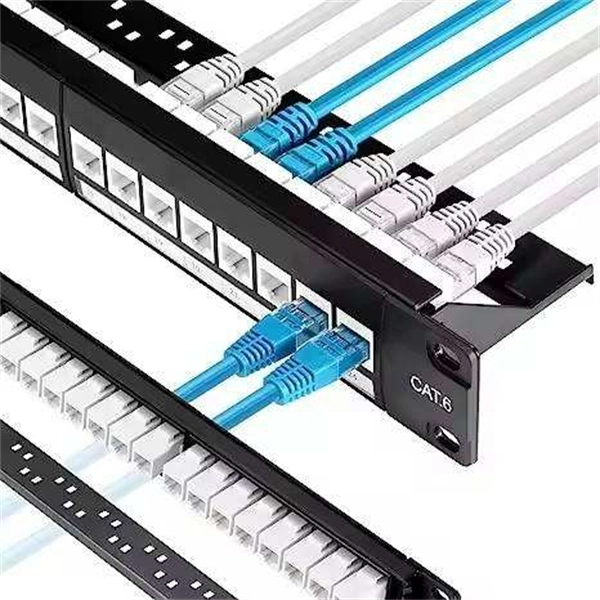
Below is a list of the top 10 globally recognized patch panel manufacturers/suppliers in 2025, presented in no particular order: 1. Jinhua Guanyang Electronic Technology Co. Panduit Company. patch11 is an elegantly designed product that combines superior craftsmanship with durable, high-quality materials to enhance any interior space. crafted with precision, this piece showcases timeless appeal and fits seamlessly into various decor styles. designed for long-lasting performance. Dive into our online wholesale Patch panels products catalog on globalsources. For pricelist and quotation, contact us now.
-
What are the uses of a network cabinet
A Network Cabinet is essential for organizing, protecting, and optimizing network equipment. Whether you're setting up a new office or streamlining an existing network, understanding the importance, types, and usage of network cabinets is crucial. In this. Network cabinets are the backbone of modern IT infrastructure — organizing routers, switches, servers and wiring into secure, cool, manageable racks that enable scalability, efficiency, and hardware protection. It improves airflow, enhances security, simplifies cable management, and increases operational efficiency.
-
What are the grounding standards for network cabinets
Key standards include ANSI/EIA/TIA 607 for telecommunications grounding and bonding, and IEC and NEC guidelines. These standards outline the methodology for creating a common grounding point, mitigating electrical risks, and ensuring compatibility with other infrastructure. Bonding (or grounding) is a system of protective measures, which is implemented to prevent electric shocks when touching metal parts of energy-powered equipment. The whole structure consists of a metal circuit, a protect bus, and a ground wire. Grounding protects systems from electrical surges, electromagnetic interference (EMI), and potential safety hazards. Adhering to established grounding requirements minimizes downtime. This paper will discuss the design requirements and common installation practices for the implementation of a good grounding system that would follow these guidelines. Without it, you risk electrical shock, equipment. The American National Standards Institute (ANSI) and the Telecommunications Industry Association (TIA) have developed the ANSI/TIA-942 standard for standardizing data center infrastructure and ensuring high levels of availability.
[PDF Version]
-
What are some manufacturers of network cabinet components in the Philippines
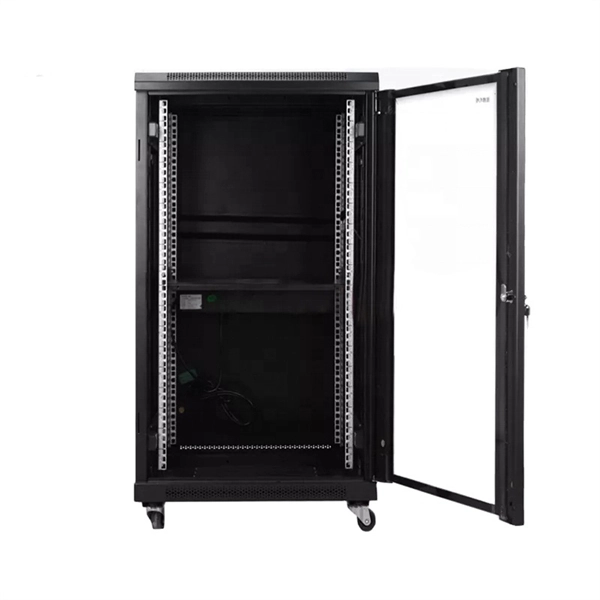
Discover the top 7 server cabinet manufacturers in the Philippines, offering innovative, durable solutions for IT infrastructure needs, from Eabel to Loop Alloy. Our products are designed to meet the highest standards of quality and functionality, ensuring that your data is stored securely and efficiently. Offering all the accessories and. Protect and organize your IT equipment with secure, ventilated data cabinets designed for servers, networking gear, and efficient cable management. Efficient IT infrastructure management. Lockable Steel-Framed Door supplied with Two Keys. Fill-up the form below to order online.
-
What is the purpose of a sealed network cabinet
“A network cabinet is a metal shelter used for apprehending networking devices like routers, switches, patch panels and servers. ” Such enclosures assist you in systematizing as well as securing the crucial elements of a network infrastructure in a safe, secure, and efficient way. Just peel off layers until the module fits. One area efficient Roxtec seal can replace up to 32 traditional cable glands. Different forms. Solid insulated ring network cabinet, is the use of solid insulating materials as the main insulating medium of the ring network cabinet, the vacuum interrupter and its conductive connections, isolation switches, grounding switches, main bus and other dominant electrical circuits, single or. A network cabinet, sometimes referred to as a network rack or data cabinet, is a specialized enclosure designed to house and organize network equipment. Typically made of sturdy steel (sometimes. Sealed is the first Southeast Asia-focused expert network, connecting the region's top minds with organisations across the globe. We are proudly headquartered in Singapore and pride ourselves in our highly localised network and partnerships.
[PDF Version]
-
What s needed for a standard network cabinet
A server cabinet, also known as a rack enclosure, is a structured framework designed to organize and protect network equipment. It typically consists of vertical mounting rails (e., 19-inch racks), adjustable shelves, and ventilation systems. Planning cabling for an in wall network cabinet can feel overwhelming. In this guide, we'll walk you through everything you need to know. The primary purpose of a network. In general, smaller or wall-mount racks are suitable for home or office rack installation; while 4-post racks or enclosed server racks are greater for data centers or server rooms. What is a Network Cabinet? A network cabinet houses and organizes. This paper explores the essential components, layout principles, and best practices for equipping a network server cabinet, with a focus on functionality, efficiency, and scalability.
[PDF Version]
-
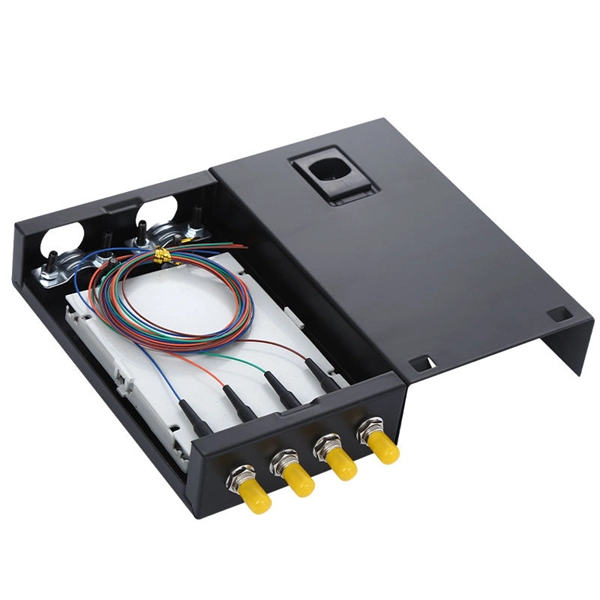
What fiber optic transceiver should be used for the switch
Different switches and routers use different slots, each supporting specific transceiver formats. Multi-Mode Fiber (MMF): For short connections (≤ 300–400m). These small modules determine how your uplinks operate: the speed, the distance supported, and whether your Cisco or. A fiber transceiver is the pluggable interface module that performs this conversion, enabling Ethernet devices to use different fiber types, reach different distances, and upgrade link speeds with minimal disruption. What Is A Fiber Transceiver A fiber transceiver is a compact, hot-pluggable module. Take Cisco, for example. But if you need a short-range, multi-mode, 10G optic with LC ports, you're probably looking for the SFP-10G-SR. This step helps your network stay strong and quick. If you do not check these things, you might have problems like no. Having small, portable modules, high-speed data transmission is possible over fiber optic or copper cabling, and most switches, routers, and network interface cards require them.
[PDF Version]
More communications references
- All accessories for cable tray tees
- Detailed Dimensions of Cable Tray Elbows
- Nauru Electrical Cable Tray Installation Project
- Optical module with SERDES
- Panama Wall-Mounted Wiring Box with 8 Cores
- Fiber Optic Coupler Fiber Optic Adapter
- How to fix suspended cable trays
- Cathode wire junction box
- Multimode fiber beam expansion technology
- Botswana Fiber Optic Patch Cord Contact Information
- Cable tray base connection bracket
- Heating of optical fiber heat shrink tubing
- Parameters of Explosion-proof Lighting and Power Distribution Box
- Manufacturer of Raman Amplifier 200G
- Fiber Optic Coupler Patch