
Cross Connect Cabinets
Coordinate incoming cables, cross connections, service access and spare capacity within the cabinet.
-
Industrial switches in control cabinets
When designing a control cabinet, considering its installation location is just as important as considering its size and ensuring standards compliance. In many industrial applications, controls cabinets are insta.
-
Recommended Brands for Small Network Cabinets
In this guide, we'll explore top network rack options like the TECMOJO 12U Open Frame Network Rack and the ECHOGEAR 10U Network Rack. We will also cover features to consider, such as size, mounting style, and additional accessories. Users now routinely install 2–8U enclosures in closets, garages, utility rooms, or even behind drywall—not just server rooms. That shift means size, accessibility, and thermal realism matter more than ever. If you're a typical user, you don't need to overthink this: start with a 6U–10U wall-mounted. Choosing the right wall-mounted network cabinet helps maximize floor space while keeping IT gear secure and organized. The selections below are ideal. 6U to 12U fits most home or office needs. And it saves up to 70% floor space. 5" Deep, Server Rack Cabinet Enclosure, 200 lbs Max. Ground-Mounted Load Capacity, with Locking Glass Door Side Panels, for IT Equipment, A/V Devices VEVOR 9U Wall Mount Network Server Cabinet, 15. This guide evaluates compact 6U to 12U enclosures from trusted brands, highlighting builds with lockable doors, removable side panels, and built-in.
[PDF Version]
-
Is it okay to connect wires inside a distribution box
While the NEC does not universally prohibit all splicing in a panel, it does require the enclosure to be specifically listed for use as a wireway or gutter, and the panel must have sufficient volume to accommodate the connections. An electrical panel, commonly known as a breaker box or load center, serves as the distribution center and safety hub for a building's entire electrical system. This enclosure houses the circuit breakers and bus bars that manage and protect all the electrical circuits running throughout the. To be clear from the very beginning of this article, there is no standard model for wiring low voltage switchboards and panelboards. However, for the wide variety of installations and ranges of power ratings, there are local work practices, regulations and of course international standards. Choose the right box based on environment (indoor/outdoor), load capacity, and durability. Check for proper IP/NEMA ratings and material quality.
[PDF Version]
-
How to connect the fiber optic switch box cable
Connect the fiber optic cable: Attach the fiber optic cable's connector to the transceiver module on the switch. Make sure the connector type (e. Low latency for. Connecting a fiber optic switch involves several steps, ensuring compatibility between the switch's ports and the fiber optic cable. Fiber termination boxes play an indispensable role when laying a fiber communication network. Most modern SFP transceiver modules. The process to connect fiber optic cable to router requires careful attention to detail, but I'll walk you through every critical step with the precision and clarity you deserve.
-
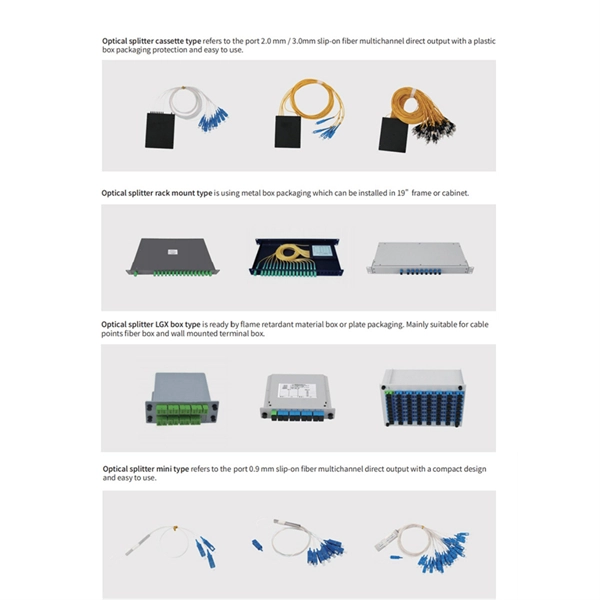
Intelligent power distribution cabinets vs ordinary power distribution cabinets
While Basic PDUs offer a straightforward power distribution solution without advanced monitoring or control features, Intelligent PDUs take power management to the next level with remote monitoring, energy efficiency optimization, and outlet-level control. A power distribution cabinet is a critical part of modern electrical systems. Learn More Designed to provide 50-300 kVA power in small to mid-sized data centers, the Liebert® TFX PDU offers reliable. Managing and installing a rack power distribution unit (PDU) has never been easier than with the EL2P PDU. Whether that means speeding up Saturday installs or focusing on. ABB's Control Room offering includes a comprehensive range of solutions designed to optimize the operator workspace for critical 24/7 processes across various industries. The control room is considered one of the most critical areas in any facility, impacting daily decision-making and overall. Ensure maximum resilience, efficiency and sustainability with Siemens' digitally supported smart power distribution for reliable power supply.
[PDF Version]
-
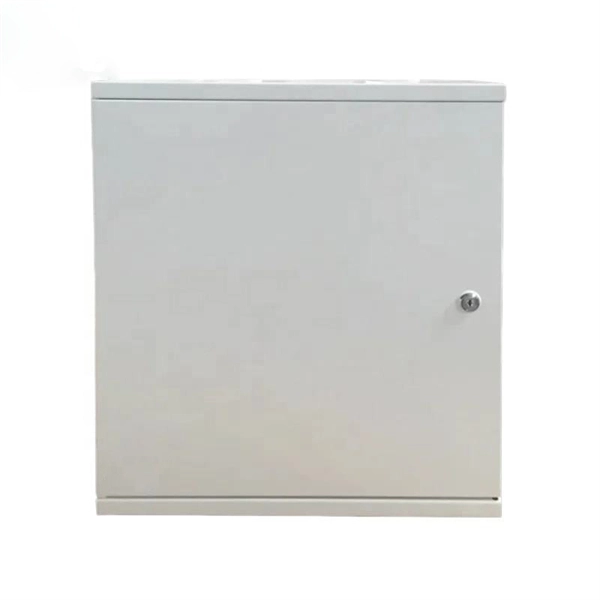
How to connect fiber optic cables from cable trays to a home
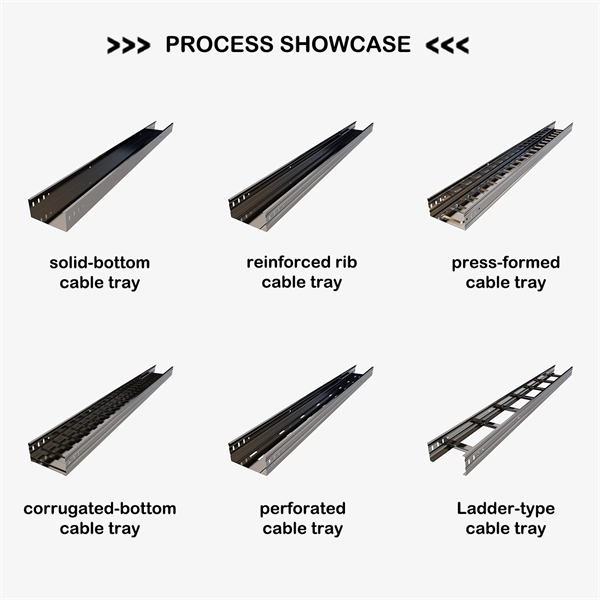
Secure cables in trays or conduit and fasten with hook-and-loop ties to prevent compression. For ducted runs, clear the conduit and use a silicone-based lubricant compatible with the cable jacket. Modern home networking often relies on a Fiber-to-the-Home (FTTH) connection, which typically terminates at a service provider's external box. Running fiber internally involves extending this high-speed link from the service entry point to a centralized location, such as a dedicated media closet or. This guide will explain the entire set of activities involved in installing Fiber optic cable contractors -from the early planning stage right through testing-for facility managers, IT teams, and low-voltage contractors to build high-performance networks safely and efficiently. The processes. Fiber optic installation delivers unmatched network performance for modern businesses, providing greater bandwidth capacity and superior resistance to electromagnetic interference compared to traditional copper cables. Professional installation ensures optimal performance and higher reliability for. Fiber optic cable may be installed indoors or outdoors using several different installation processes.
[PDF Version]
-
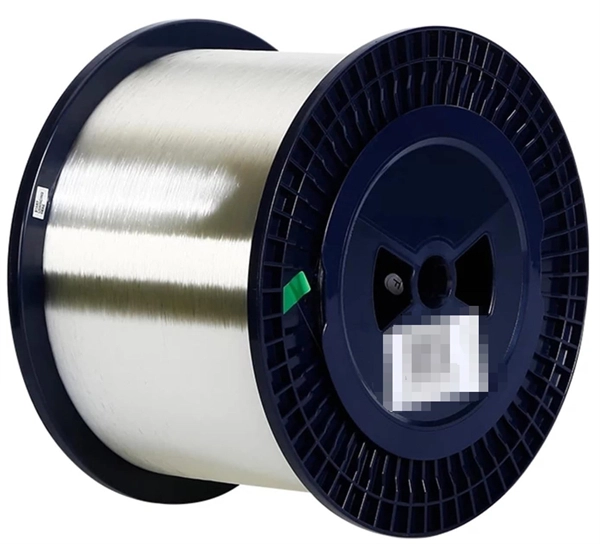
How to connect the round connector of a fiber optic patch cord
Carefully insert the connector into the mating interface on the device or interface. Use a fiber optic power meter or other test equipment to verify that the signal is being transmitted correctly. These connectors can be divided into single-mode and multi-mode fiber optic connectors according to their structure and purpose. Common types include SC, LC, ST, and MTP/MPO connectors. Use a fiber. Correct patch-cord installation is essential for maintaining low insertion loss, stable return loss, and long-term reliability in both indoor and outdoor fiber networks. This guide addresses expert-certified best practices applied by professionals in the telecommunications, data.
-
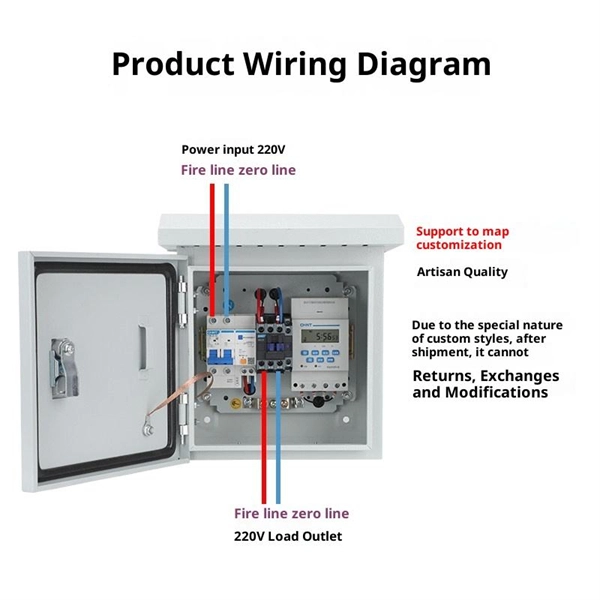
Cold splices are used to connect optical fibers
Optical fiber cold splice technology is based on the use of mechanical connectors to join two fiber-optic cables. The connectors used in cold splicing typically consist of two parts: a ferrule and a. In fiber optics, for example in the context of optical fiber communications, it is often necessary to connect the ends of optical fibers such that light from one fiber can get into the other fiber without losing much of its optical power. For that, one requires some kind of fiber splices. Considering the small size of the fiber cores, less than 10 11m in diameter for single-mode fibers and less than 100 11m for multimode fibers, it is not surprising that these components. This is where fiber optic cable splicing—the process of creating a permanent, high-performance join between two fiber ends—becomes critical. For network managers and technicians, a poor splice can lead to significant signal degradation, network downtime, and costly troubleshooting.
[PDF Version]
-
PoE panel can connect to non-PoE switches
They can coexist in the same LAN and connect via standard Ethernet uplinks (copper or fiber). The key rule is simple: PoE power only exists on PoE-capable ports. A non-PoE switch will pass Ethernet data normally but will not magically “forward” PoE power. Powered devices (PD) have. And what happens if you accidentally plug in a normal (non-PoE) device into a PoE switch? I explore all this – and more – in this video. including via a VERY suspect looking demo! I combined TWO power over Ethernet switches with three non-PoE devices (a HP printer, DVD player and TP-Link Gigabit. PoE is a straightforward technology that transmits power and data via the same network cable to the powered devices. It allows compatible devices, such as VoIP phones, network surveillance cameras or wireless access points to work in places where power outlets or network connections don't exist. But many people still. Security mechanisms are key: Standard-compliant PoE switches perform "PD detection" before powering on the device. Non-PoE devices lack this resistor.
[PDF Version]
More communications references
- How to splice ODF optical fibers
- Uganda Huijue 12-core optical cable price quote
- Debugging the QSFP28 optical module 1G
- Do high and low voltage switchgear systems require 3C certification
- Optical Cable Manufacturing
- 50kWh Off-Grid Power System for Aerospace Electronics
- How to pack ceramic inserts into boxes
- High-speed temporary optical cable installation
- Fiber optic cable corner protective pad