
Safe Harbor Accounting Methods Provided For Cable System Operators
Search optical fiber, connectivity, cable management and network infrastructure references.
-
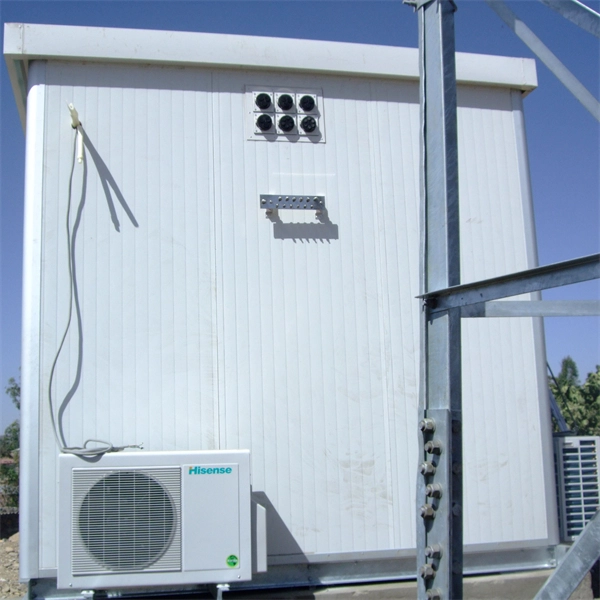
Methods to reduce energy consumption in fiber optic communication
Migration of legacy, primarily copper, networks to full fiber: Fiber-optic networks are the most energy eficient of existing broadband access technologies. By decommissioning legacy copper and cable co-axial infrastructure, telecom operators can achieve significant energy. With the growing global deployment of Fiber-to-the-Home (FTTH) networks driven by the demand for ensuring high-capacity broadband services, mobile network operators (MNOs) face challenges of excessive energy consumption (EC) of wired optical access networks (OANs). This paper presents a. Here we show that an optimal quantum joint-detection receiver (OJDR) can significantly reduce the energy consumption of amplified optical communication links at any distance. Key Drivers of Energy Efficiency in Fiber Optic Networks 1.
[PDF Version]
-
Methods for connecting cable trays and rails to power
The main cable tray connection methods include splice plates, bolted connections, quick connect systems, fish plates, clamps, and welding. Choosing the right one depends on project conditions, load. en completely installed, without damage either to conductors or structural system use maintain spacing or to keep cables in place when the tray is ect the minimum bend ra-dius for cables as they exit the bottom of the cable tray. A rung spacing of 6 to 9 inches (150 to 230 mm) is preferable when. This guide covers the critical steps, from selecting the right electrical cable tray and performing accurate cable fill calculations to managing a safe cable pull through and ensuring all bonding and grounding requirements are met. Cable ladder systems and cable tray systems shall be manufactured in accordance with BS EN 61537, channel support. When developing our cable support OBO can offer reliable solutions for systems, three attributes are at the routing and fastening cables securely core of what we do: efficiency, resil- for each of these installation challeng-ience and safety. es in the industrial environment.
[PDF Version]
-
Are waterproof electrical distribution boxes safe
A waterproof outdoor distribution box keeps your electrical systems safe outside. It stops rain, dust, and floods from hurting your equipment. Typically constructed from durable, corrosion-resistant materials, these boxes are designed to withstand exposure to moisture and harsh environmental. A waterproof distribution box is a component used in electrical systems to house and protect electrical connections from external elements such as water, dust, and dirt.
-
Methods for Manufacturing Corrosion-Resistant Cable Trays
This paper explores the latest trends in the cable tray manufacturing industry, focusing on technological advancements and sustainable practices. It covers the integration of IoT for smart monitoring, the use of innovative materials for enhanced durability, and modern installation. This white paper compares the High Resistance (HR) and Hot-Dip Galvanising (HDG) solutions and highlights the new High Resistance range, ZnAl wiremesh, ZnMg metal cable trays and accessories and ZnNi screws and bolts. It is available with a ventilated or solid bottom. However, exposure to harsh environments can lead to corrosion, compromising their structural integrity and safety. This guide provides detailed insights into preventing corrosion and extending the lifespan of cable. The production of FRP (Fibre Reinforced Plastic) cable trays includes the appropriate selection of high-performance feedstock materials that provide strength, toughness, and resistance to harmful conditions. Suitable feedstock materials include fiberglass reinforcements, such as roving or mat to.
[PDF Version]
-
What are the methods for bundling optical cables at high altitudes
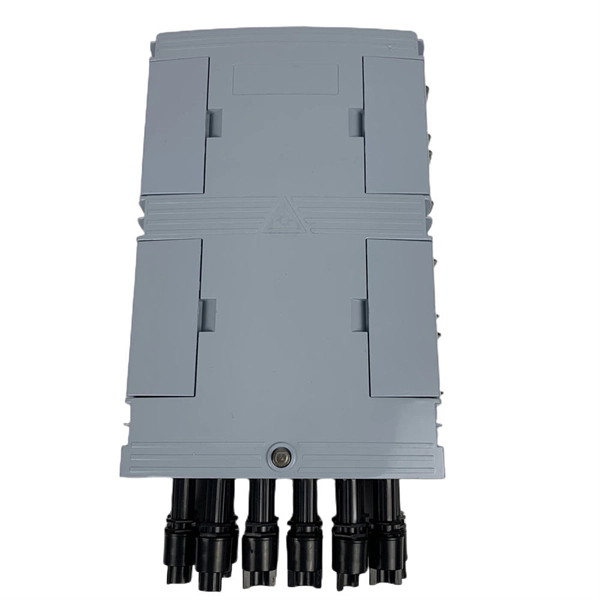
Optical fiber bundles consist of multiple individual optical fibers that are bundled together to form a single, flexible unit. Automatic Cable Tying Machine is a hand-held, climb-free cable fast tying tool with an integrated intelligent control module, which can automatically complete all the steps of cable tying, and can be widely used in high-altitude operations in the field of communication engineering, it is used to. High-altitude laser communication systems are crucial for enabling high-speed data transmission between satellites, aircraft, and ground stations. However, the traditional methods of achieving this communication have faced challenges in terms of efficiency and reliability. (FOA) was founded in 1995 to help develop the workforce to build the fiber optic networks to support a rapid expansion in communications and the Internet. This manual attempts to. A fully automatic optical fiber cable bundling machine ensures precise, consistent bundling in harsh environments, reducing signal loss, microbending, and rework while maintaining reliability across high-altitude and extreme conditions. Disclaimer: This content is provided by third-party.
[PDF Version]
-
Is a 10kV busbar safe
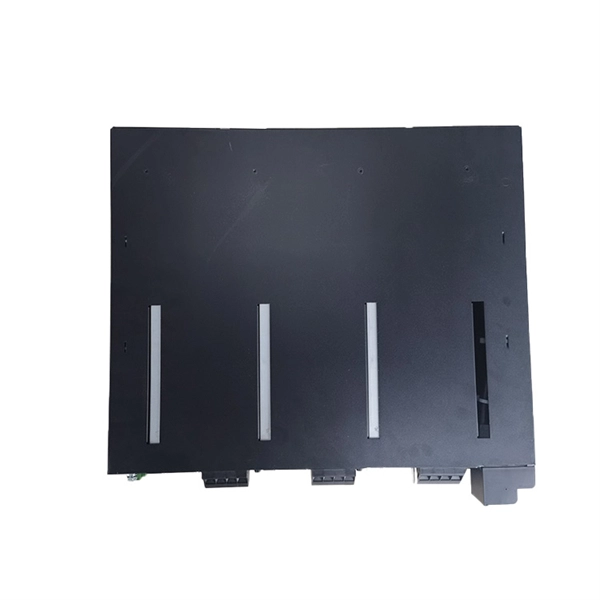
While busbars themselves are highly efficient conductors, their exposed surfaces pose significant safety risks. Electrical faults, arc flashes, and accidental human contact are all potential hazards in systems where busbars are left uncovered. The adoption of busbar power distribution systems on a. Proper planning of safety distances in low-voltage busbar design and installation is critical for ensuring electrical performance, operational stability, and equipment safety. Adhering to industry standards such as IEC 61439(low-voltage switchgear and controlgear) and UL 891(switchboards) enhances. In our power plant 10kv busbar pt feeder has interlock with incoming cb of busbar. i mean if pt is not in operation position you can not close the circuit breaker. is it necessary? Interested in this topic? By joining CR4 you can "subscribe" to this discussion and receive notification when new. Touching a busbar, which is a conductor that distributes electrical power within an electrical system, can result in serious injury or death due to electric shock or electrocution, depending on the voltage and current levels present. Such as generators, power transformers or primary switchgear.
[PDF Version]
More communications references
- Pigtail Marking
- Fiber Optic Circulator Manufacturing Process
- Applications of Single-Crystal Optical Modulators
- Advantages of Jordanian Photovoltaic Combiner Boxes
- Lebanon Telecom Backbone Fiber Optic Cable Tender Information
- What should be used to pull vertical cable trays
- Which fiber optic cable box is the best to use
- The Function and Effects of a Spectrum Splitter
- Deep depth of shallow buried optical cable