
Optical Components Fiber Optic Modules Micro Optic Devices
Search optical fiber, connectivity, cable management and network infrastructure references.
-
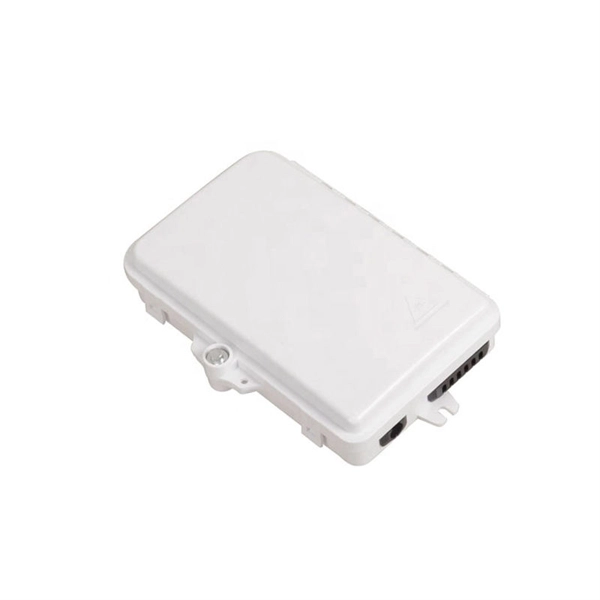
Do fiber optic switches and optical modules require electricity
Optical Switches: Generally more energy-efficient than electrical switches because they do not require power-intensive components like amplifiers or repeaters for long-distance transmission. Additionally, optical fibers themselves consume very little power. An optical switch routes light signals directly between fiber ports without optical-electrical-optical (OEO) conversion, eliminating a major source of latency and power consumption in modern networks. The global optical switch market reached $5. 5 billion in 2024 and is projected to hit $12. They're a core component in fiber-optic networks, where data travels as pulses of light through glass fibers. Fiber optic switches can interface with two types of cables: Single mode is an optical fiber that will allow only one mode to propagate. The fiber has a very small core diameter of approximately 8. Fiber switches are the perfect solution to analyze different light sources.
[PDF Version]
-
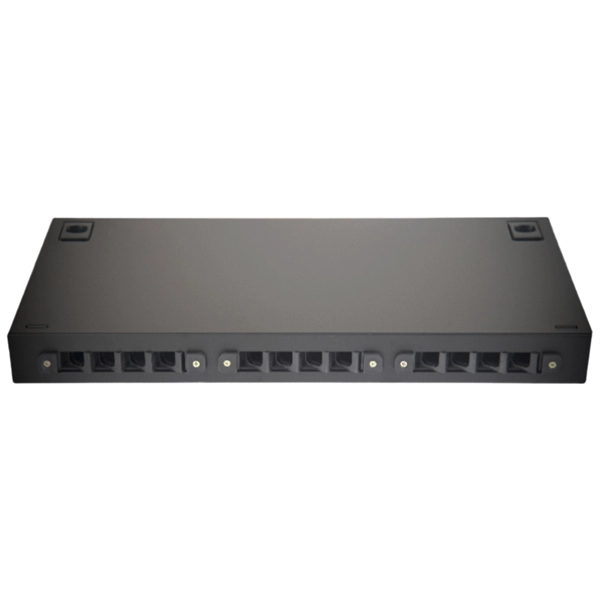
Do fiber optic transceivers come with built-in optical modules
Fiber Optic Transceiver Guide | PHILISUNA fiber optic transceiver (also called an optical transceiver) is a compact module that both transmits and receives.
[PDF Version]
-
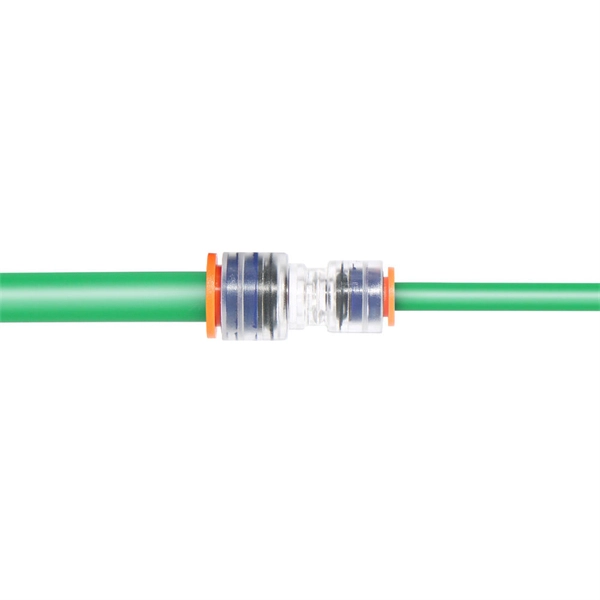
Fiber optic patch cord for optical modules
Fiber Optic Patch Cords Guide | Types, ConnectorsThis guide will help you quickly understand the main types of fiber patch cords and how to choose the righ.
[PDF Version]
-
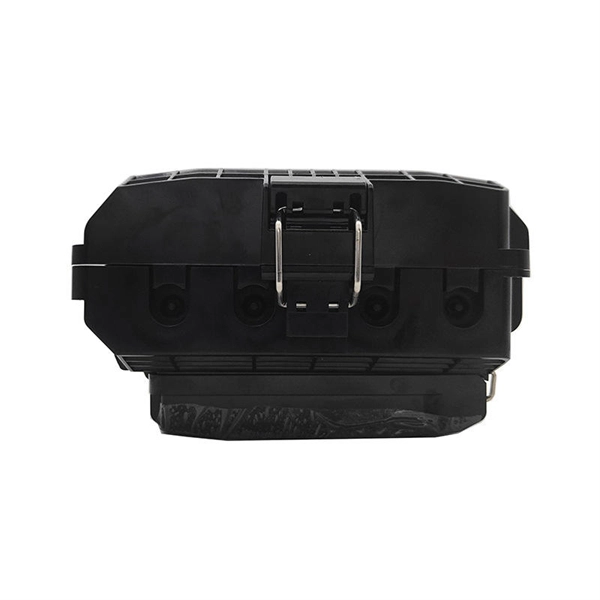
Fiber optic box containing optical modules
The Technical Specifications for Fiber Distribution BoxesThe fiber distribution box, also known as the optical fiber termination box, is a critical compone.
[PDF Version]
-
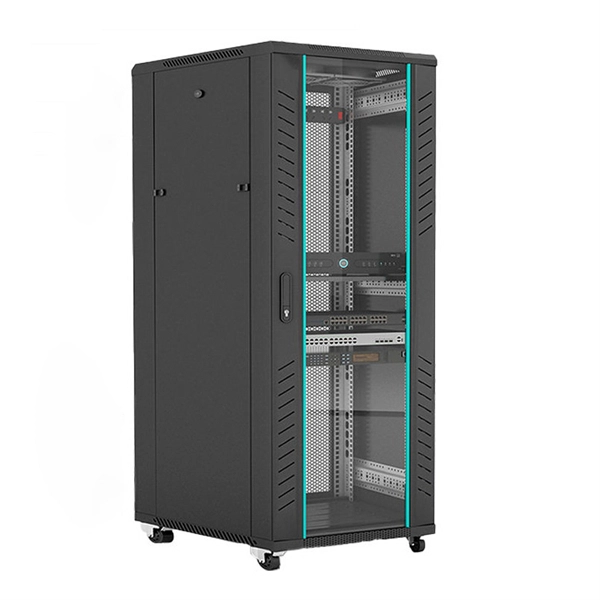
How to select optical modules for fiber optic network cards
Guide to Fiber Network Cards: 10G/25G/100G NIC By following a structured approach - choose speed, confirm PCIe, pick the right optics, validate features, y.
[PDF Version]
-
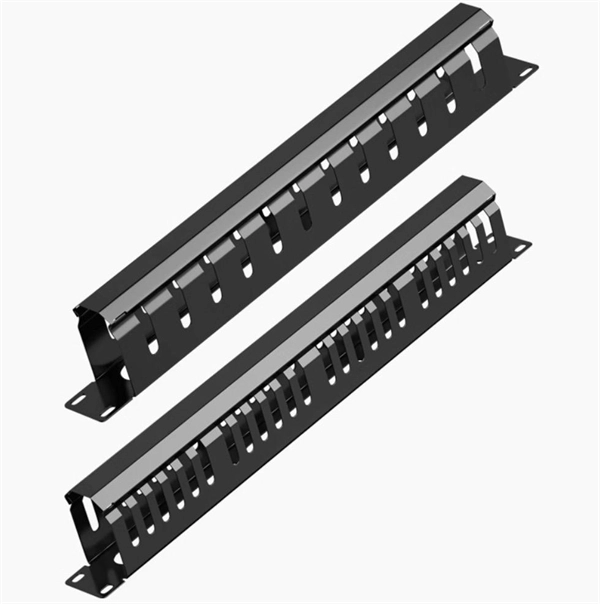
Optical Module Fiber Optic Terminal Box
Fiber optic termination boxes provide a secure and organized solution for protecting and distributing fiber connections in FTTH, FTTB, and small network deployments. Designed as a compact enclosure, they support both cable splicing and termination while ensuring safe access for. Fiber Optic Distribution Box (FDB) / Fiber access terminal box (FAT) / optical termination box (OTB) / Fiber termination box (FTB) / Optical Distribution box (ODB) are a compact fiber management box used for FTTH application. Ensure neat cable management, secure connections, and fast installation with HOLIGHT. The FTB minimizes the complexity of cabling; it is small, used both outdoors and indoors, and can be manufactured in different sizes according to the number of fibers to. • Tool-free installation, quadruples deployment efficiency • Front-access adapter panel, Simplifies maintenance operations • Universal adapter compatibility, Supports FC/SC/LC connectors. SC Rack-Mount Empty Fiber Termination Box Embedded installation, cover plate design, supports 12/24-core. Splice boxes, also known as fiber optic splice enclosures or fiber splice closures, are essential components in fiber optic networks.
[PDF Version]
-
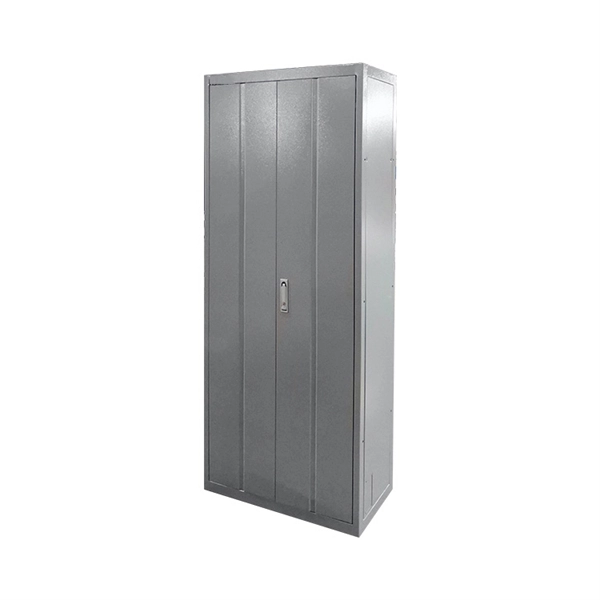
Fiber optic PC patch cord components
Fibre optic patchcords are single-, dual-, or multifibre data cables that are factory-assembled with the commonly used fibre optic connectors – LC, SC, E-2000, MTP, SN, CS, MDC, etc. – and are used to connect IT hardware (e. switches, servers) equipped with fibre optic. At ZION Communication, we design and manufacture a full range of fiber patch cords for: This guide will help you quickly understand the main types of fiber patch cords and how to choose the right solution for your project – and how ZION can support you with stable quality, flexible customization. Fiber optic patch cords, also known as fiber optic patch cables or fiber jumpers, are indispensable components in modern optical networks. They act as the critical link for interconnecting devices like optical switches, servers, and distribution frames. As data rates increase from 10G → 100G → 400G → 800G, patch cables must handle more bandwidth, more density, and stricter. This guide will cover fiber optic patch cables, including their components, applications, selection process, and the pressing need for them.
[PDF Version]
-
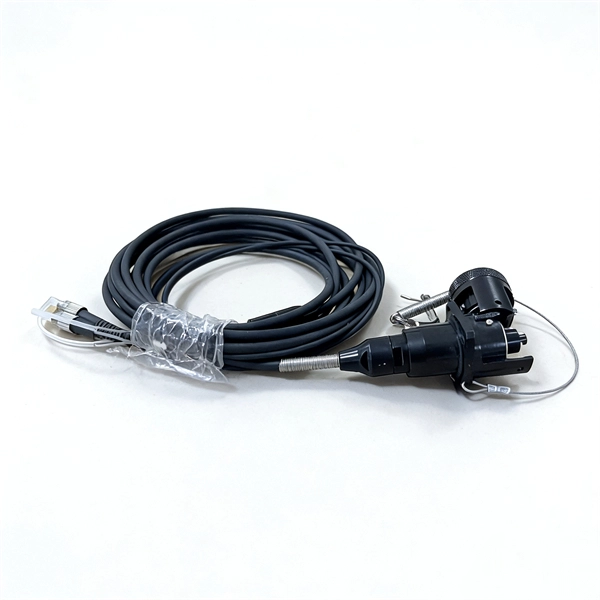
Several types of glass components in fiber optic panels
The five types of glass used in optical fibers are silica glass, germanosilicate glass, borosilicate glass, chalcogenide glass, and fluoride glass. ber optic technology is the glass fiber. This guide breaks down the five core components of a fiber optic cable — from the specification package to the actual installation considerations. You will also learn how different aspects of the product can affect budget and design. An Optical Fiber is a cylindrical fiber of glass that is hair-thin in size or any transparent dielectric medium.
-
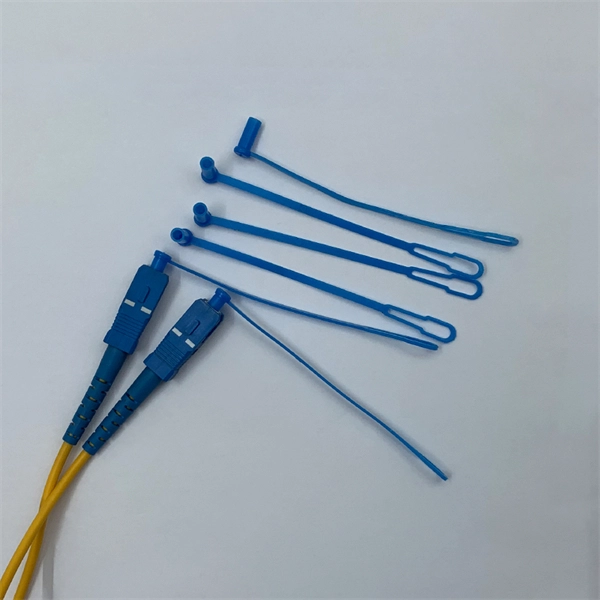
10 Gigabit optical module connects to fiber optic internet access
The SFP+ port is a high-speed optical-to-optical signal conversion port, mainly used for 10G Ethernet and Fiber Channel network applications. A key advantage of SFP+ Modules is that they are "hot-swappable", meaning they can be swapped out while the router is still powered on. This guide dives into the world of 10G SFPs, covering their types, features, applications, and selection. The NTE-10G-SFP-LR is a modular and centralized 10GE technology that allows us to interface with the communication tools in today's age. For homes and small businesses, fiber-optic infrastructure offers. 10G SFP+ Optical Module is a type of SFP+ transceiver that supports 10 Gigabit per second (10Gbps) data rates and is an enhanced version of the standard SFP (Small Form-factor Pluggable) transceiver. Typically used in higher-speed connections between switches and servers or as the primary interface.
[PDF Version]
More communications references
- Fiber optic panel with network cable interface
- Drop fiber optic cable gjixfh
- Is fiber optic cable termination the same as fiber optic cable splicing
- Botswana Fiber Optic Cable Upgrade Project
- Fiber optic patch cord manufacturer in Mauritius
- Optical power meter can emit red light
- Does cable tray need repeated grounding
- Construction Scheme for Direct Burial of Communication Optical Cables
- Cable tray bend reversed downward
- Relay protection manifestation
- ST Fiber Optic Patch Cord Test
- Om4 1-to-4 fiber optic cable