
Longitudinal Differential Protection Algorithm
Search optical fiber, connectivity, cable management and network infrastructure references.
-
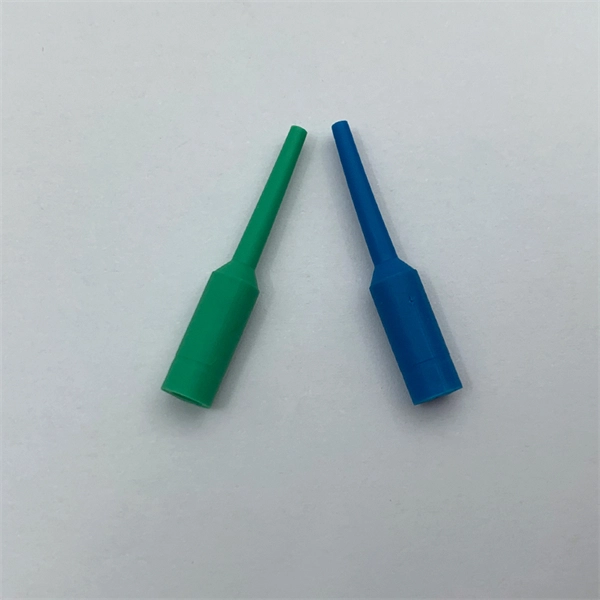
Longitudinal Differential Relay Protection
Zero-sequence longitudinal differential protection of transmission. This paper explains a new, earth fault-sensitive algorithm for the longitudinal diffe.
[PDF Version]
-
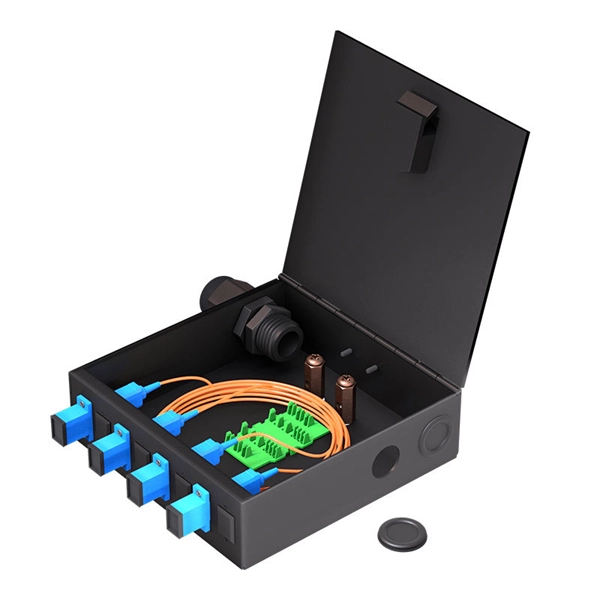
Distribution network relay protection longitudinal differential
Zero-sequence longitudinal differential protection of transmission. This paper explains a new, earth fault-sensitive algorithm for the longitudinal diffe.
[PDF Version]
-
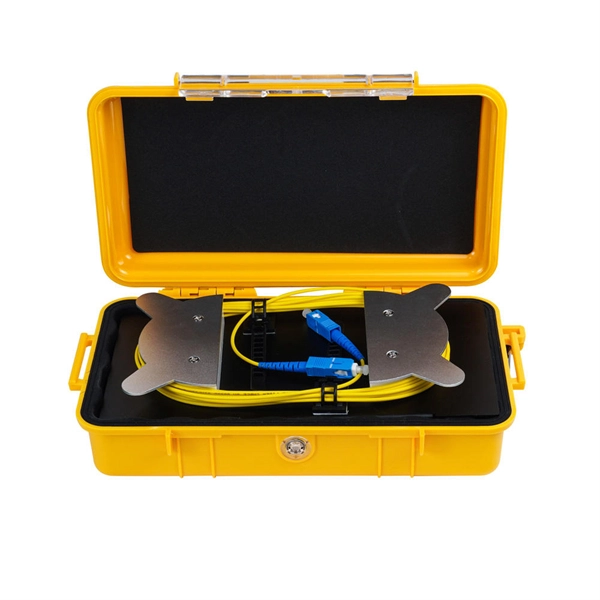
Power Relay Protection Differential Protection
Differential protection is a power system relay method that compares current entering and leaving a protected zone. What controls it: CT location, CT polarity, CT ratio, transformer. Differential Relay Definition: A differential relay is defined as a device that responds to the difference between two or more similar electrical quantities, such as currents or voltages, to detect faults. However, the differential. Differential protection is a selective protection scheme used to detect faults within a specific zone (like a transformer, generator, busbar, or transmission line) by comparing the incoming and outgoing currents.
-
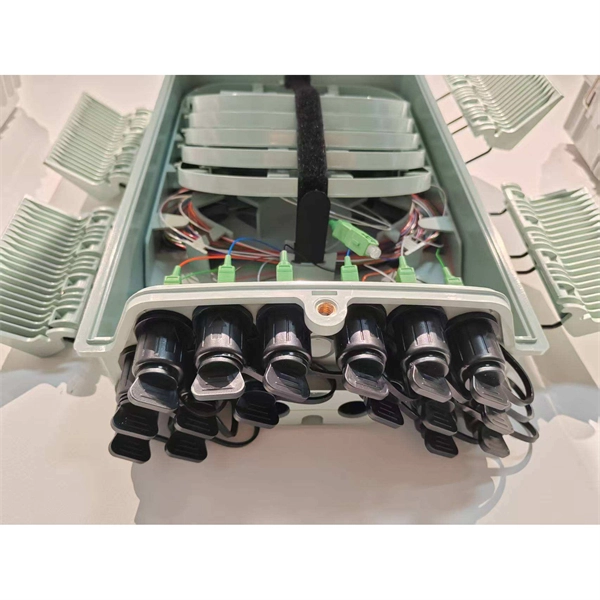
Fiber optic longitudinal protection channel attenuation
Vertical Protection Technology for 220 kV Transmission Lines Based Longitudinal protection is the core technology for achieving rapid fault removal within.
[PDF Version]
-
Time-limited current relay protection
This feature protects not only SSRs, but can also protect the circuitry beyond the SSRs from fault conditions. Current-limit trip and reset is automatic, smooth, fast, and precise. Selective short-circuit protection can be achieved in different ways, such as: Time-graded protection Time- and current-graded protection A straightforward way of obtaining selective protection is to use time grading. The principle is to grade the operating times of the relays in such a way that. Time Current Relay Application – Overcurrent and earth fault protective gear can be made discriminative by grading the operating times of successive devices. In order for. Backup Protection Core Function: Serves as backup for primary protection systems (e. Fault Coverage: Clears phase-to-phase short-circuit faults and severe overloads on protected. Most Vishay form A solid-state relays (SSRs) have built-in, active, current-limit circuitry. These SSRs limit current through the device at a prescribed value.
[PDF Version]
-
Taoran Relay Protection
Electromechanical relays can be classified into several different types as follows: "Armature"-type relays have a pivoted lever supported on a hinge or knife-edge pivot, which carries a moving contact. These relays may work on either alternating or direct current, but for alternating current, a shading coil on the pole is used to maintain contact force throughout the alternating current cycle. Because the air gap between t.
More communications references
- Light-sensing sound module
- Bahrain Trapezoidal Cable Tray Price Inquiry
- What is the approximate height and dimensions of a distribution box
- Principle of Fiber Optic Thermometer
- Is the beam splitter dual-fiber
- Shared bandwidth on the same optical splitter
- Performance Comparison of Best-Selling Fiber Optic Terminal Boxes and Alternative Solutions
- How to extend the power cable in the distribution box
- Fiber Optic Coupler Patch