
Introduction Cable Tray Materials
Search optical fiber, connectivity, cable management and network infrastructure references.
-
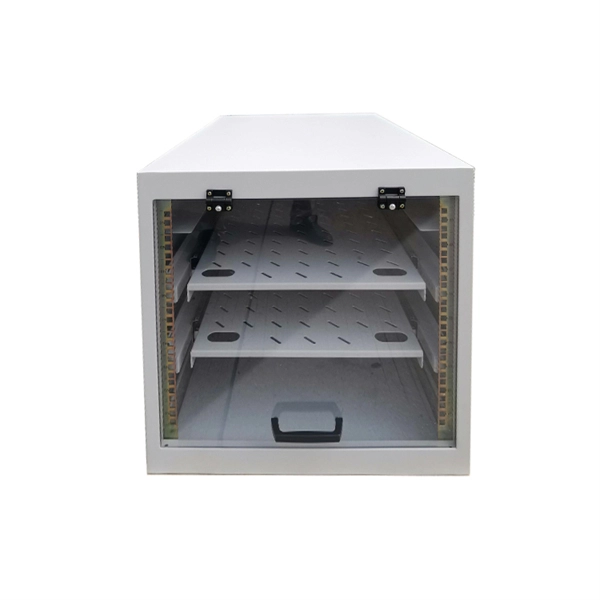
Commonly Used Electrical Materials Cable Tray Models
Explore various cable tray types and sizes for electrical installations. Learn about ladder, perforated, solid-bottom, wire mesh, and channel trays in this complete guide. The Cable Tray ng standards, performance standards, test standards and application in this document have been tested extens ompetent professional en completely installed, without damage either to conductors or. Today cable trays have become a necessary part of industrial and commercial construction by offering quick, economical and flexible solutions to these problems. Among the most common materials are aluminium, steel, and plastic.
-
Temporary cable tray materials
Here are the most common materials: Galvanized Steel – Provides high corrosion resistance and durability. Stainless Steel – Ideal for harsh environments with chemical exposure. Aluminum – Lightweight, rust-resistant, and easy to install. What is Cable Tray? A cable tray is a unit, or set of units, with their fittings forming a rigid structure to support cables and assist in channeling them. All illustrations, descriptions and technical information included in this document are provided as indications and can cable trays are equivalent. The mechanical and electrical characteristics, tests, certifications, overall quality management, recommendations mentioned. B manufactures its cable tray in a range of materials with a variety of finishes. The selection of material and finish is a function of the environment in wh tant in a wide range of environments, and easily formable (Appendices II and III). It helps keep your whole electrical setup strong and safe.
[PDF Version]
-
Retesting of Cable Tray Materials
Cable tray inspection and verification records provide traceability from raw materials through final testing. Load test certificates document performance validation. association representing the major electrical equipment manufac-turers in the U. The Cable Tray ng standards, performance standards, test standards and application in this document have been tested extens ompetent professional en completely installed, without damage either to conductors or. Cable trays play a vital role in supporting electrical cables and wires in commercial, industrial, and utility installations. In this detailed guide, we'll explore. Provides technical requirements concerning the construction, testing, and performance of metal cable tray systems. It is the first joint effort of NEMA and CSA International to put in one place standards for metal trays per both NEMA and CSA methods. When properly selected and installed, cable trays simplify routing, improve accessibility, and support future expansion while.
[PDF Version]
-
Studying Cable Tray Materials
Selecting the right raw material for cable trays is vital to maintaining structural integrity, longevity, and cost efficiency. Each cable tray type performs a different function and comes in various materials such as aluminum. association representing the major electrical equipment manufac-turers in the U. The Cable Tray ng standards, performance standards, test standards and application in this document have been tested extens ompetent professional en completely installed, without damage either to conductors or. Cable trays play a crucial role in electrical systems, ensuring efficient and safe cable management. Our focus has always been on solutions from the field of cable support systems.
-

Mesh Cable Tray Specifications and Materials
CTI-TM-PS-S0001-A05 _ TOUGHMesh Product SpecificationThe works covered within this section includes the provision of all necessary materials, tests and ser.
[PDF Version]
-
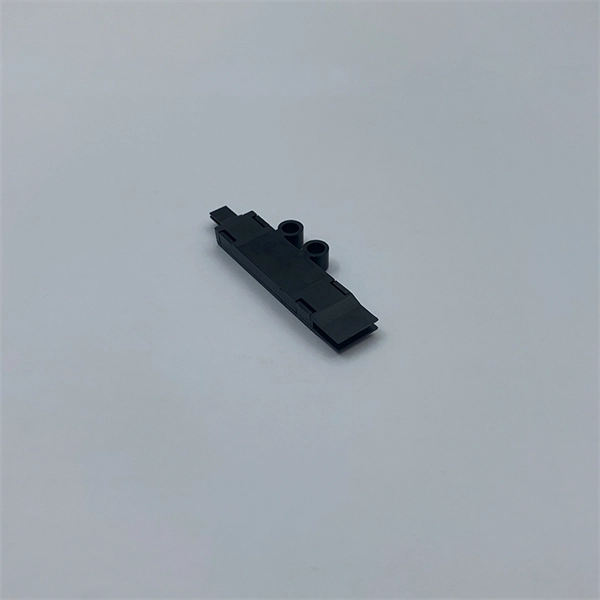
Aluminum Alloy Cable Tray Product Introduction
Aluminum alloy cable tray adopts extruded aluminum profiles for side rails and rungs. With anodized or powder-coated surface for enhanced corrosion resistance, it boasts sleek appearance, light weight, durability and easy installation, ideal for high-humidity and corrosive. Discover aluminum alloy cable trays that are lightweight, corrosion-resistant, and optimize heat dissipation for safe, long-lasting cable management. Lightweight and High Strength 2. Superior Corrosion Resistance 3. The Aluminum Cable Ladder has a high. Aluminum alloy cable trays are 60% lighter than steel cable trays while maintaining high strength, reducing the load on building structures.
More communications references
- Grounding Scheme Requirements for Level 3 Distribution Boxes
- Standard distribution box connection
- 4-core optical fiber splicing techniques
- Which manufacturer makes the FTI optical fiber cable
- Nordic Standard Secondary Distribution Box
- Photovoltaic Industry Dedicated Electronic Multimeter
- How to check the warranty status of an optical module
- Color requirements for ground wire in low-voltage distribution boxes
- Uganda s High-Quality Corrosion-Resistant Cable Tray Company
- Price of Large Connector Boxes
- Stretching Plastic Optical Cables
- Methods for Manufacturing Corrosion-Resistant Cable Trays
- The optical module has optical signal compensation