
What is the width and depth of a server rack?
The standard width for a server rack is 19 inches, the most common size for rack-mounted IT equipment. The depth of server racks can vary, typicall...
Search optical fiber, connectivity, cable management and network infrastructure references.
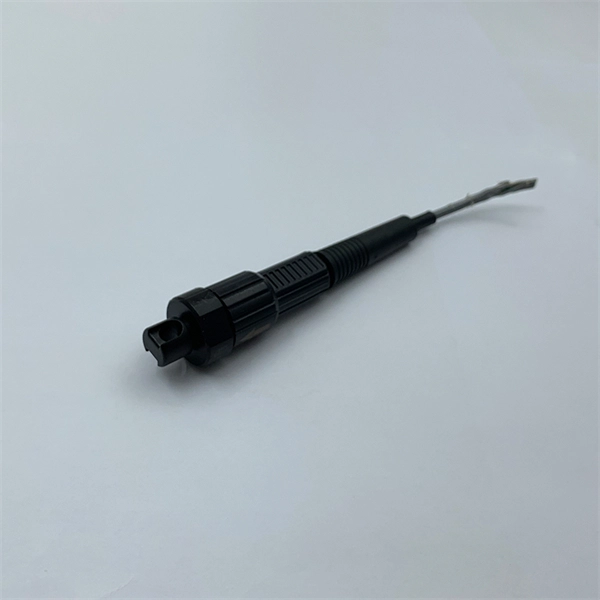
A “figure-eight” configuration should be used when the cable is removed from the reel and piled on the ground. This prevents kinking and twisting of the cable which could cause damage. Fiber optic cable should not be coiled in a continuous direction except for lengths of. Fiber optic cable transmits data as light through glass or plastic strands, which means the fiber core itself carries no electrical current and requires no grounding. However, this does not mean every fiber optic installation is exempt from grounding requirements. The first submarine communications cables were laid beginning in the 1850s and carried telegraphy traffic, establishing the first instant. This Applications Engineering Note (AE Note) discusses conventional bonding and grounding practices for conductive fiber optic cable and hardware installations within the scope of the National Electrical Code (NEC). The methods described are intended for guideline use only, as it is impossible to cover all the various conditions that may arise during an installation.
[PDF Version]
26 mm 2 (10 AWG) ground wire must be used, and in all other markets a 6 mm 2 must be used. Power from factory ground must be installed by a qualified electrician. Grounding of the units: Attach a ground wire from one of. The correct connection method of Distribution box grounding wire mainly includes the following steps: 1. Grounding systems aren't just boxes and wires – they're the silent bodyguards protecting people and equipment from electrical disasters. When lightning strikes or a rogue voltage surge decides to crash the party, proper grounding steps in like a seasoned bouncer, redirecting danger away from. According to NEC Article 250, both the neutral and ground wires must be connected only in the main panel or at the first service disconnect. Good electrical enclosure grounding practices will assist in attenuating any electrical noise, like that produced by variable frequency drives (VFDs).
[PDF Version]
The mandatory colors for power wiring in the National Electrical Code (NEC) are Green, Bare, or Green/Yellow (a yellow stripe or band on green) for the protective ground (PG), and White (or alternatively Gray) for the neutral wire. The wiring color codes are the standard safety language of electricity. They make it easy to identify immediately which wires are live, neutral, or grounded (avoiding costly mistakes and hazardous accidents). For typical building AC circuits (commonly up to 600 volts nominal), the NEC specifies identification rules for grounded conductors (neutral), requirements. This comprehensive guide delves into the electrical wiring colors used worldwide. A standard electrical cable transmits AC (alternating current) power. Getting this language right is the difference between a light that works and a dangerous situation involving short circuits, electrical shocks, or even fires.
[PDF Version]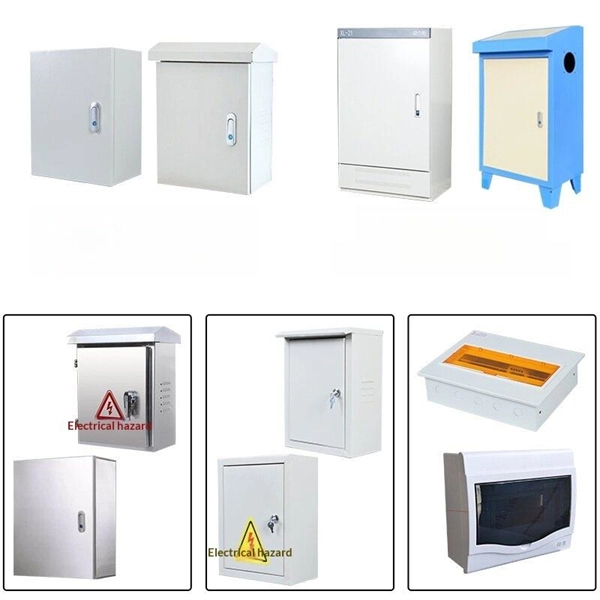
Grounding Lug: The fitting features a compression section that receives the incoming cable. There is a hole enabling you to bolt it to an appropriate backpanel or enclosure stud. This position is the connection point of the grounding wire in the. The Equipment Grounding Conductor (EGC), commonly called the ground wire, is a fundamental component of residential electrical safety and circuit protection. This wire provides a low-resistance path for fault current to return safely to the source, activating the circuit breaker and preventing. However, for experienced DIYers, this guide provides a detailed, step-by-step approach to ensuring your circuit breaker box is properly grounded, enhancing electrical safety grounding throughout your home. It. For example, for High And Low Voltage Distribution Cabinets, the distribution box needs to be grounded regardless of size. Let's take a look at each one in more detail.
[PDF Version]
The International Electrotechnical Commission (IEC) provides detailed guidelines for cable tray systems under IEC 61537. This standard outlines the construction requirements, testing methods, and performance parameters for cable trays and related support systems. The mechanical and electrical characteristics, tests, certifications, overall quality management, recommendations mentioned. B. Whether specifying a major new project, refurbishing existing facilities or doing the engineering, procurement and construction (EPC) for your end user, with T&B Cabletray, ABB offers reliable so utions du g conforming to ASTM A123 & ISO 1461 : m. OBO BETTERMANN has offered prod-ucts and solutions for electrical instal-lation for over 100 years. A wide selections of supports and accesories give every installation a professional look.
[PDF Version]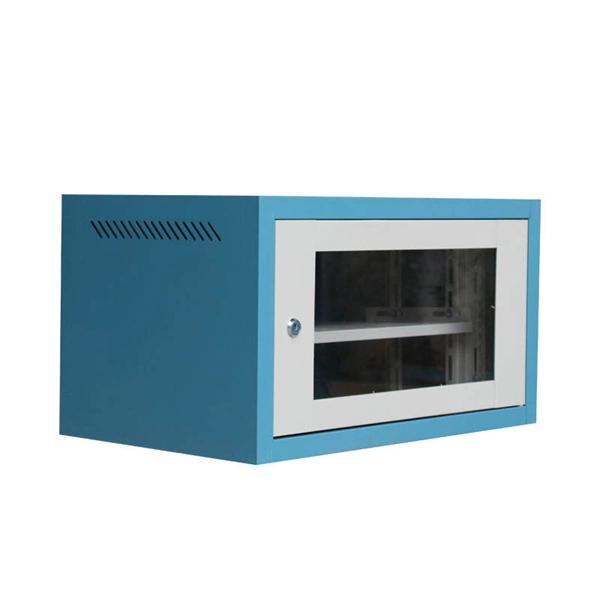
Distribution boxes must comply with UL 50 (enclosures) and UL 508A (industrial control panels) standards. These standards are rigorous about short-circuit current ratings (SCCR), proper wire sizing, and component compatibility. Distribution box certification requires standardized testing processes and comprehensive. Low voltage distribution boxes are the silent guardians of modern infrastructure – hidden behind walls and in utility rooms, orchestrating power flow with Swiss-watch precision. Like the foundation of a building, their reliability remains invisible until it fails. That's where IEC 61439 comes in. You must make safety your top priority when working with low voltage distribution boxes. Design requirements help you follow important standards like. The installation requirements and specifications of Distribution box involve many aspects, including site selection, fixing method, wiring specifications and safety protection. It takes the incoming power and safely distributes it to different circuits throughout your building.
[PDF Version]
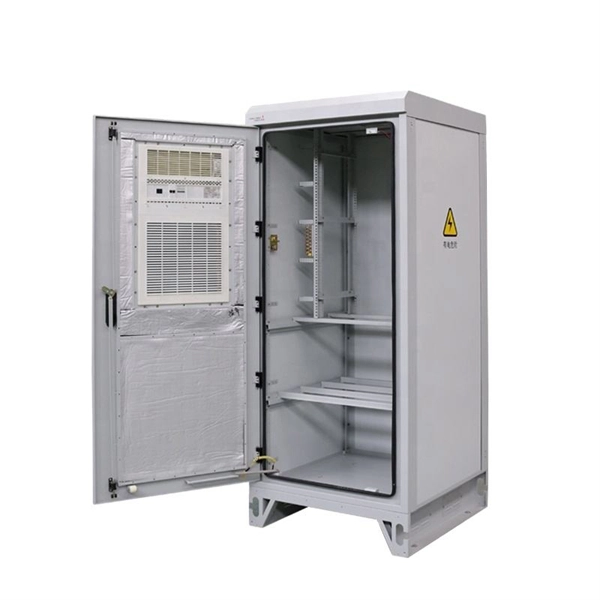
TECHNICAL DATA SHEET SERVER CABINET ND DIGITAL BUILDING INFRASTRUCTURES The LCS3 server cabinets are perfectly suited for the installation of (blade) serve.
[PDF Version]The standard width for a server rack is 19 inches, the most common size for rack-mounted IT equipment. The depth of server racks can vary, typicall...
Server rack cabinets come in various sizes, but the standard width is usually 19 inches. The height is measured in rack units (U), typically 24U, 4...
A standard rack unit, abbreviated as "U," is 1.75 inches (44.45 mm) tall. This unit of measurement is used to describe the height of equipment inte...
A 42U rack typically has a height of 73.5 inches (approximately 186.69 cm), as each U is 1.75 inches. The standard width is 19 inches, and the dept...
26 mm 2 (10 AWG) ground wire must be used, and in all other markets a 6 mm 2 must be used. Power from factory ground must be installed by a qualified electrician. Grounding of the units: Attach a ground wire from one of. The National Electrical Code (NEC) specifies minimum ground wire sizes based on the circuit being protected, and understanding these requirements is essential for safe, code-compliant installations. 122, but understanding how to apply these requirements correctly can make the difference between a safe installation and a costly code violation.
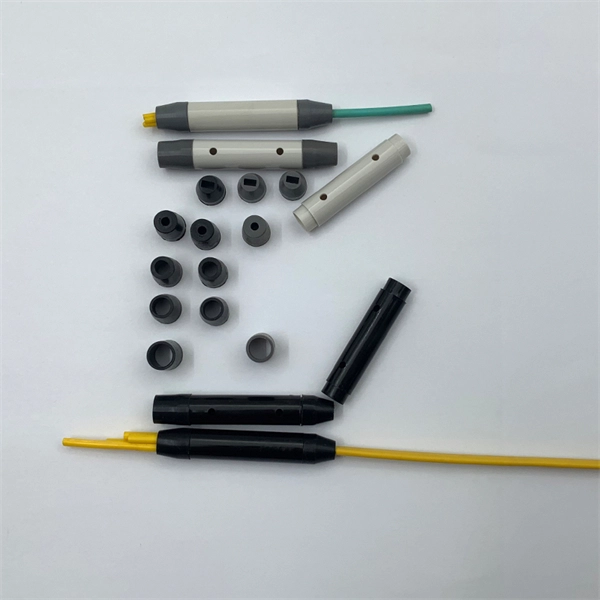
Optical Ground Wire (OPGW) cables are advanced composite overhead conductors that combine the functions of a ground wire and optical fiber communication within a single integrated solution. This guide explores its design, advantages, and applications in modern energy and telecom. OPGW is primarily used by the electric utility industry, placed in the secure topmost position of the transmission line where it “shields” the all-important conductors from lightning while providing a telecommunications path for internal as well as third party communications. Installed at the top of high-voltage and extra-high-voltage transmission lines, OPGW cables provide lightning. Abptel, as a leading manufacturer of OPGW (Optical Ground Wire) cables, specializes in providing robust and reliable solutions for high-voltage power transmission lines.
[PDF Version]Share the route, interfaces, cable or port requirements and acceptance scope.