
Fiber Optics Manufacturing Equipment
Search optical fiber, connectivity, cable management and network infrastructure references.
-
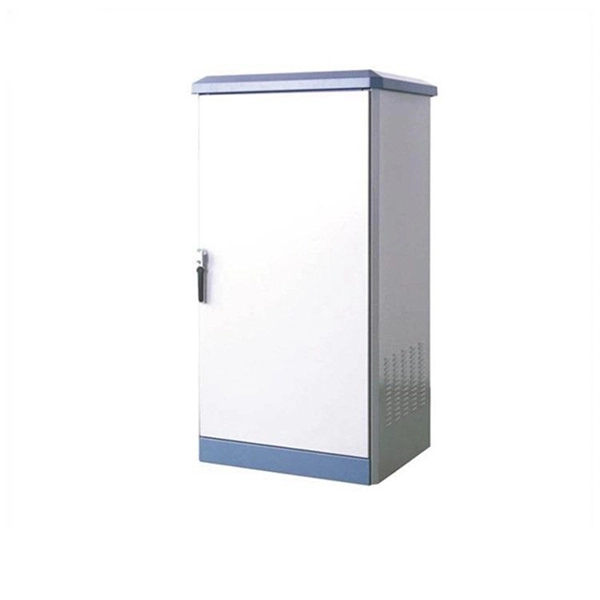
Optics in Fiber Optic Cables
Fiber optics refers to the technology and method of transmitting data as light pulses along a glass or plastic strand or fiber. A fiber-optic cable, also known as an optical-fiber cable, is an assembly similar to an electrical cable but containing one or more optical fibers that are used to carry light. The fiber which is used for optical communication is waveguides made of. Fiber optics, which is the science of light transmission through very fine glass or plastic fibers, continues to be used in more and more applications due to its inherent advantages over copper conductors. They have a central core surrounded by a concentric cladding with slightly lower (by ≈ 1%) refractive index. Optical fibers are typically made of silica with index-modifying dopants such as GeO 2. Unlike traditional copper or.
[PDF Version]
-
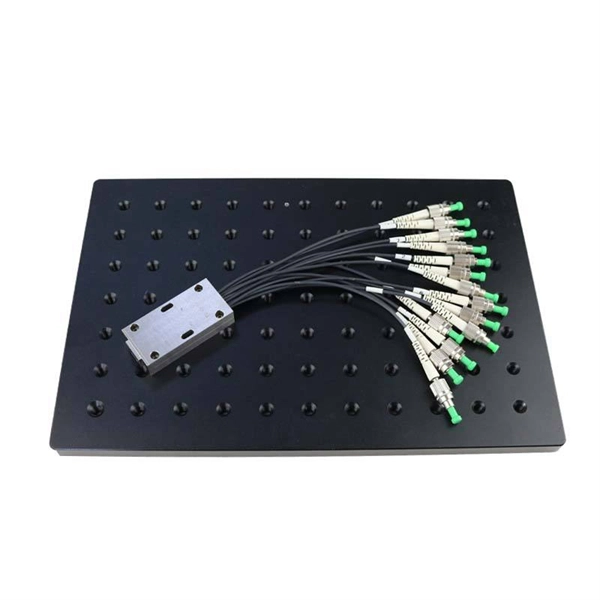
Lunau Fiber Optics
Luna Innovations Incorporated is an American developer and manufacturer of fiber-optics- and terahertz-based technology products for the aerospace, automotive, communications, defense, energy, infrastructure, security, and silicon photonics industries. It is headquartered in. Luna's products are used to test, measure, analyze, monitor, protect and improve products and processes to enhance the safety, security, and connectivity of people.
-
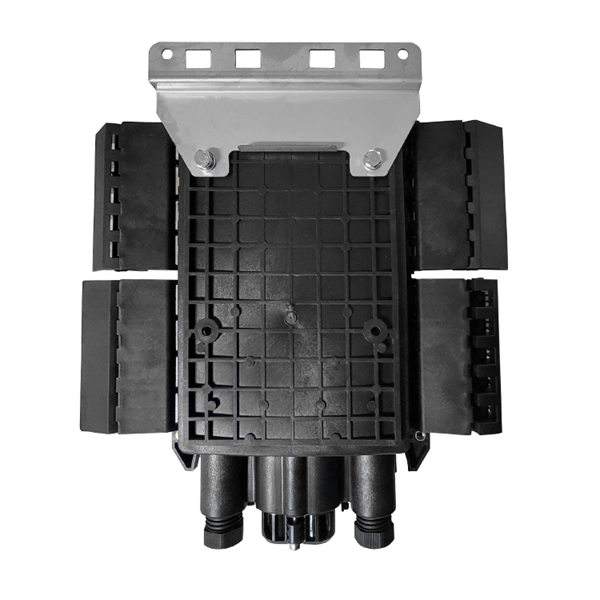
Cable and Optical Fiber Testing Equipment
Explore 79 top manufacturers and suppliers of Fiber Optic Test Equipment in our comprehensive photonics buyers' guide. Fiber optic test equipment encompasses a range of specialized tools and instruments designed to evaluate the performance and integrity of fiber optic. Torontech is a global leader in providing a full range of Optical Fibre Cable Testing Machines (OFC Testers), engineered with cutting-edge Canadian technology to deliver the highest precision, durability, and performance in the industry. Our advanced OFC testing solutions are trusted worldwide by. Fiber optic cable is a type of cabling that contains one or more optical fibers for transmitting data at high speeds and/or over long distances using light. These fibers are most commonly made of glass and are very thin, typically less than a tenth of the width of a human hair. Optical and fiber test equipment plays a vital role in the installation, certification, maintenance, and troubleshooting of high-speed fiber optic networks. This category includes OLTS certifiers, OTDRs, optical power meters, light sources, and visual fault locators.
[PDF Version]
-
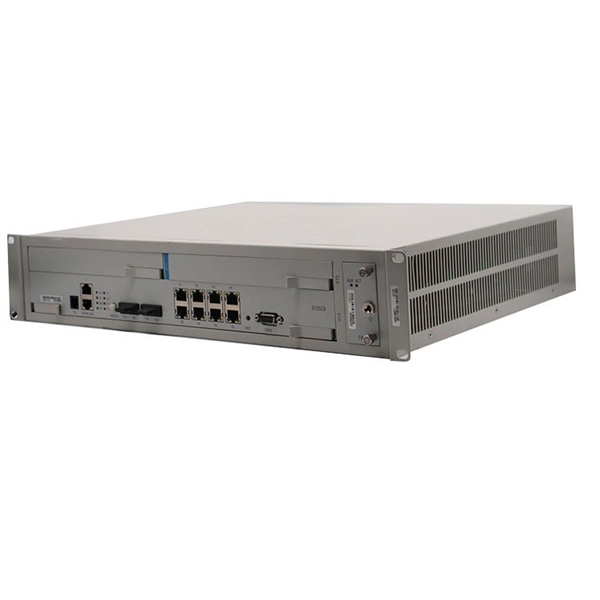
Fiber Optic Cable Transformation Towards Intelligent Manufacturing
The fiber optic cable industry stands at the forefront of digital revolution, with companies like Hengtong Global exemplifying how Industry 4. 0 technologies transform traditional cable manufacturing into smart, data-driven operations. With the global fiber optic market reaching. Deterministic fiber optic networks with TSN support, EMC-immune DIN rail systems and highly available redundancy architectures for critical production lines. Made in Germany with a 5-year guarantee. At the same time, robust, interference-free and enable.
-
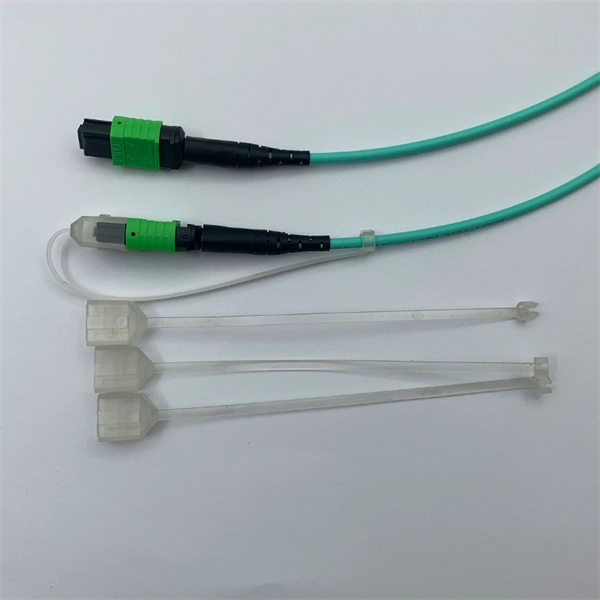
Price Differences Between Single-Mode and Dual-Mode Fiber Optics
Single mode and multimode fiber optic cables are two different types of fiber optic cable aimed at different use cases. Single mode cables are typically made with a single strand of glass at their core, leading to a n.
-
Fiber Optic Cable Fusion Joint Manufacturing Process
Fusion splicing is a process of aligning the fibers from the fiber optic cables and then connecting them together. In this process, the fiber strands are aligned using a fusion splicer that pulls the fiber cores in alignment with the. Fusion splicing is used for joining cables during network installation projects, repairing cables, mounting pre-polished splice-on connectors, and many applications in factories that make fiber optic components and subsystems. This will typically be 250µm for bare fibers and 900µm for coated fibers. Reputable companies like Jonard, Fujikura, and INNO provide multi-hole strippers calibrated. According to the Fiber Optic Association, a high-quality fusion splice typically has a loss of about 0. 15 dB, with well-executed splices often achieving losses below 0. The objective is to create a continuous optical path with minimal signal disruption.
[PDF Version]
More communications references
- Standard Network Cabinet Column Dimensions
- Middle East High Voltage Cable Tray Manufacturer
- Fiber splicing backbone optical cable
- Fiber optic coupler with accessories
- Fiber Optic Cable Start
- Specifications of Fire Cable Trays in the UAE
- How are cable trays constructed in Uzbekistan
- Operation of Industrial Temporary Power Distribution Boxes
- 5 steel wire 4-core optical cable
- Selection Guide for QSFP28 Fiber Optic Line Terminals for Intelligent Buildings
- Reasons for fiber optic cable repair
- N7k Core Switch
- How to use a fiber optic cable test pen
- The national standard color sequence for optical fiber cables is 48 cores