
Fiber Optic Splitters Plc And Fbt Optical Splitters
Search optical fiber, connectivity, cable management and network infrastructure references.
-
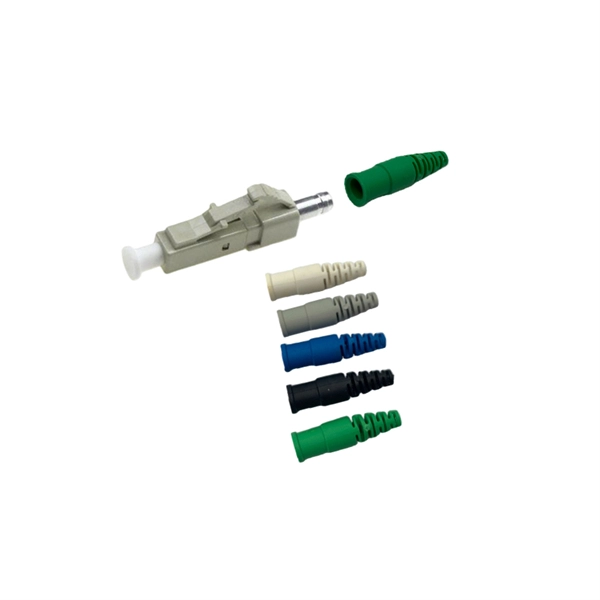
How many optical splitters are needed for fiber optic cables
Optical couplers can split or join signals in fibers. These devices work both ways, which helps strong network communication. They help send light signals. In the backbone of modern Fiber-to-the-Home (FTTH) networks, optical splitters serve as the unsung heroes that enable cost-efficient connectivity for millions of subscribers. By dividing a single optical signal from a central Optical Line Terminal (OLT) into multiple outputs for Optical Network. Selecting the right splitter is crucial for building a reliable fiber optic network. PLC splitters are based on planar lightwave circuit technology, ensuring uniform signal distribution and supporting high split ratios up to 1×64 or even higher. For example, optical splitters send light to many output ports.
[PDF Version]
-
What to do if fiber optic splitters are susceptible to freezing
Water in cables can freeze, potentially harming connections. This helps maintain a stable temperature, minimizing the impact of. Understanding the effects of freezing temperatures on fiber optic cables is crucial for maintaining robust and reliable communication networks. SF Cable +4FiberPlus Inc+4GEARit +4 Key Points: Installing cables below the frost line can prevent. So, what should you consider when selecting components to ensure that fibre optic networks can withstand temperatures dropping as low as -40°C? The operational conditions for fibre optic connectors, passive elements, enclosures, outdoor cabinets, fiber optic poles etc.
-
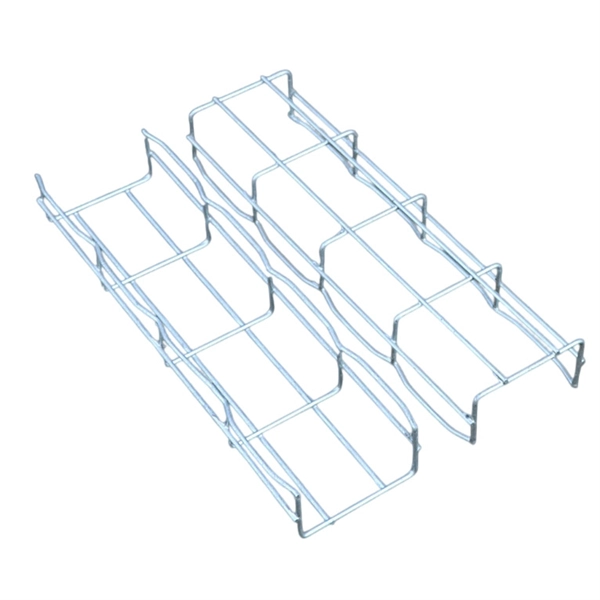
Function of Fiber Optic Multi-Port Splitters
Fiber optic splitters are essential devices used in communication networks to divide optical signals into multiple paths. They play a crucial role in efficiently distributing information to multiple recipients, enabling simultaneous transmission without compromising signal quality or. many aspects of a Fiber to the X (FTTx) network. conversations and confusion in the industry. A “splitter” is a power splitter. Fiber splitters can effectively split optical signals into. What Is a Fiber Optic Splitter? A fiber optic splitter is a passive optical component that divides a single incoming optical signal into two or more outgoing signals, or combines multiple incoming signals into one.
-
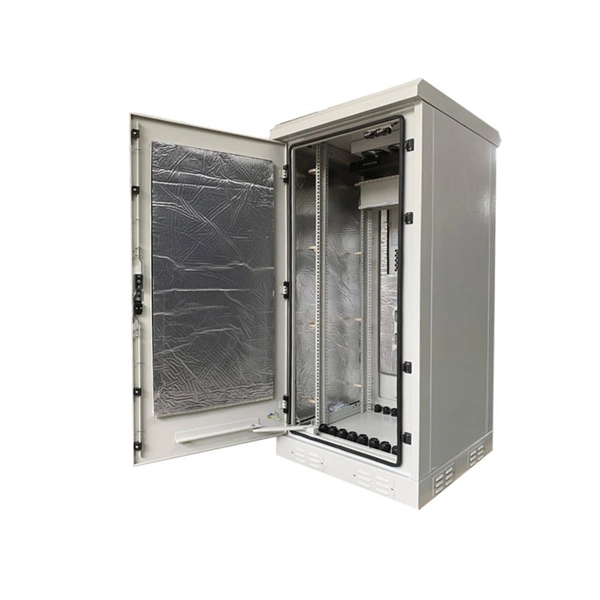
What types of PLC and FBT splitters are there
Currently, there are two mainstream types: Fused Biconical Taper (FBT) splitters and Planar Lightwave Circuit (PLC) splitters. They use different manufacturing processes, which leads to distinct characteristics in performance, cost, and ideal application scenarios. What are PLC and FBT Splitters? An optical splitter shares one incoming fiber signal across multiple outgoing fibers so multiple users or devices can share the same backbone. Understanding the difference is crucial for building a efficient, scalable, and cost-effective network.
-
What are the finished product standards for fiber optic distribution boxes
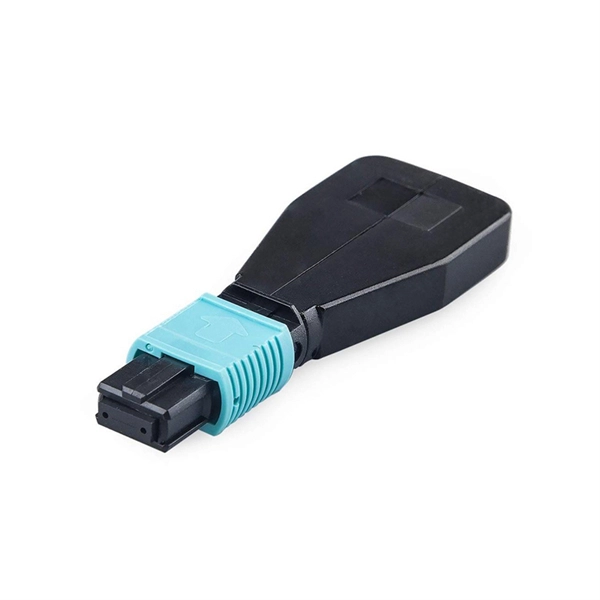
IP65 and IP68 ratings define the level of protection a fiber termination box offers against dust and water. The fiber distribution box, a crucial component in optical fiber networks, serves a dual purpose of managing and protecting optical fibers while facilitating their efficient distribution. A well-chosen fiber terminal box prevents connector contamination and network failures, making proper selection and. Minqing Fibramerica Technology, under its trade name FIBRAMÉRICA, is one of the world's leading companies dedicated to the design, development, manufacture, distribution and marketing of advanced optical connectivity solutions. These boxes. ication and relevant standards over the range of optical wavelengths from 1260nm to 1625nm.
[PDF Version]
-
Experiment on the characteristics of an adjustable fiber optic attenuator
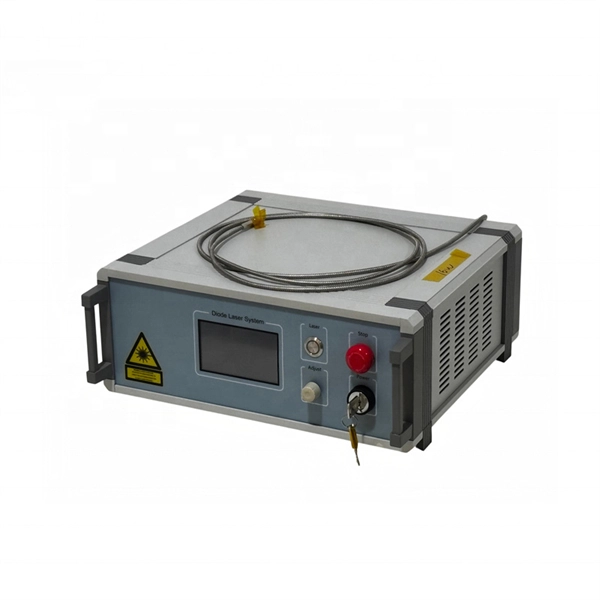
A tunable all-fiber optical attenuator (AOA) based on microfiber with adjustable coupling angle is reported and demonstrated. The AOA is fabricated of a microfiber probe coupled to a tapered fiber on th.
-
Fiber Optic Cable Fixer
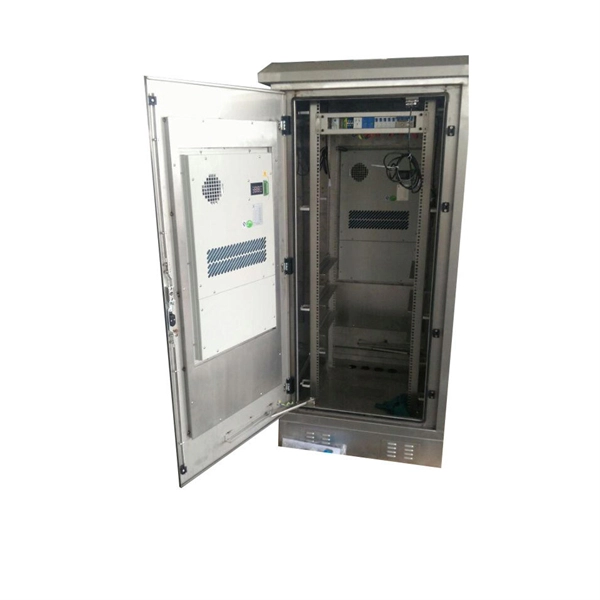
While a cut or damaged fiber optic cable can temporarily take your network down, it is possible to quickly fix the cable with the right tools. This guide provides essential steps for cutting and repairing broken fiber optic cables at home. With over two decades of experience in the electrical construction industry, James specializes in field installation, management, estimating, and design. 2 dB/km), but it's fragile—susceptible to breaks, bends, and contamination. Repairs focus on restoring the light path with minimal signal loss (<0. Dekam Fiber's cables incorporate enhanced durability features like. CommScope features a family of tools and components for the installation, repair and maintenance of fiber cables, including prep and termination kits.
-
Dominican Single-Mode Fiber Optic Transceiver
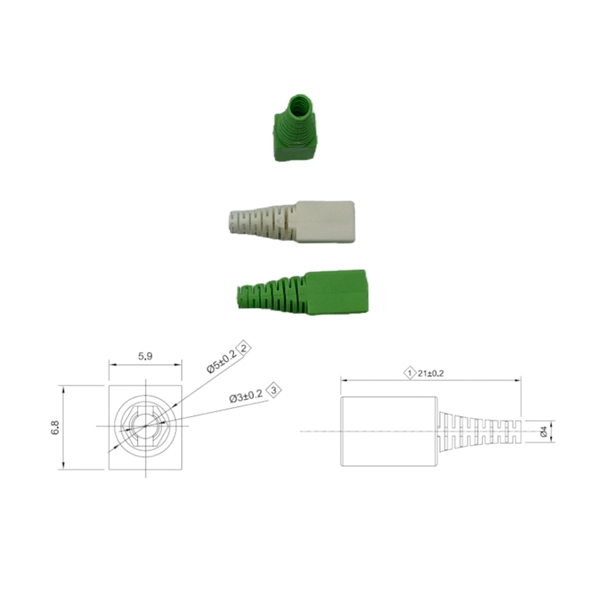
The 100GBASE-DR Single Lambda QSFP optical transceiver module is designed for use in 100GBASE Ethernet throughput up to 500m over single mode fiber (SMF) using a wavelength of 1310nm via duplex LC connectors. Singlemode Fiber Optic Transmitters, Receivers, Transceivers are available at Mouser Electronics. Operating at a 1310nm wavelength, the module supports the 1000BASE-LX/LH standard, enabling data transmission up to 20 kilometers over a duplex LC interface It. SFP (Small Form-factor Pluggable) transceivers are essential components in modern fiber optic networks, enabling network devices such as switches, routers, and servers to transmit and receive data over optical fiber. By converting electrical signals into optical signals—and vice versa—SFP. Altronix P1SM10 are hot-pluggable SFP fiber transceiver modules and are readily usable with all Altronix Spectrum fiber optic equipment for 1G transmission rates. The P1SM10 is to be used with Single-Mode Fiber for distances up to 20Km.
[PDF Version]
-
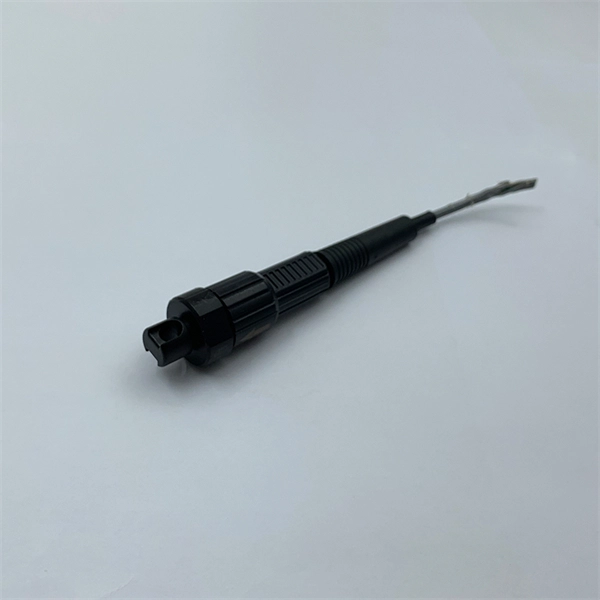
How to express fiber optic cable dragging on the ground
A “figure-eight” configuration should be used when the cable is removed from the reel and piled on the ground. This prevents kinking and twisting of the cable which could cause damage. Fiber optic cable should not be coiled in a continuous direction except for lengths of. Fiber optic cable transmits data as light through glass or plastic strands, which means the fiber core itself carries no electrical current and requires no grounding. However, this does not mean every fiber optic installation is exempt from grounding requirements. The first submarine communications cables were laid beginning in the 1850s and carried telegraphy traffic, establishing the first instant. This Applications Engineering Note (AE Note) discusses conventional bonding and grounding practices for conductive fiber optic cable and hardware installations within the scope of the National Electrical Code (NEC). The methods described are intended for guideline use only, as it is impossible to cover all the various conditions that may arise during an installation.
[PDF Version]
More communications references
- Problems Facing the Global Energy Interconnection
- Price of Vertical Rainproof Distribution Box
- Is it good or bad if fiber optic cables come with built-in routers
- Lighting Standards for Cable Trays in Computer Rooms
- Trough-type cable tray data center
- 24 Optical Fiber Color Sequence
- Wiring method for stepper motor distribution box
- Gigabit Fiber Transceiver SFP Optical Module
- Main Fiber Optic Cable Splice Box
- Embedded Network Rack Pricing
- How many households can a 50-household fiber optic splitter cover
- Are industrial switches useful in Afghanistan
- Fiber Optic Cable Project Cost Table
- Mauritius Fiber Optic Cable Supply