
What does an optical transceiver do?
Optical modules are mainly packaged by optoelectronic devices TOSA/ROSA, functional circuits and optoelectronic interface components. The optical t...
Search optical fiber, connectivity, cable management and network infrastructure references.
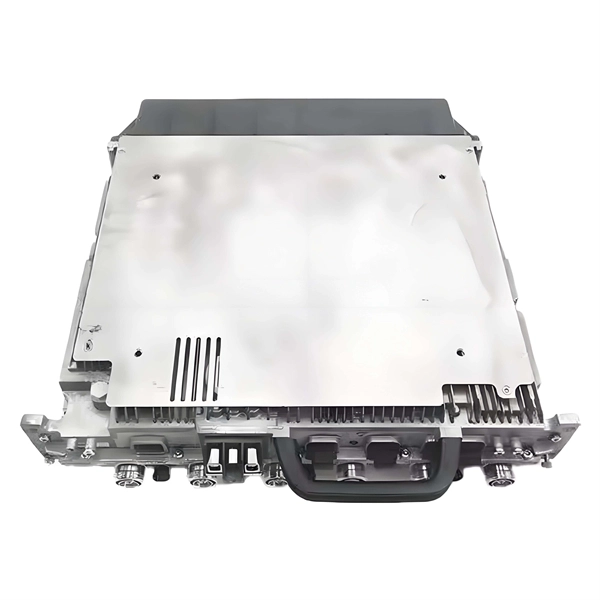
Optical Module Procurement guide to pricing trends, OEM vs aftermarket insights, and strategic buying tactics to optimize costs, reliability, and total ownership. In the rapidly evolving landscape of the industrial IoT and 5G era, effective communication modules procurement of electronic components plays a crucial role. To help you choose the best partner, this article will analyze and. This paper is designed to help you decipher price trends, evaluate suppliers in a sophisticated manner, and apply effective procurement strategies. By understanding these concepts, the reader will be more adept at optimizing their optical module spending—spending less where possible while retaining. The global Industrial Wireless Communication Module market size is expected to reach $ million by 2029, rising at a market growth of % CAGR during the forecast period (2023-2029). Rotary joints are often used to meet. 024, Yole Group, May 2024. This transition requires high-bandwidth transceivers that f coherent zero dispersion shifted range (ZR/ZR+) transceivers with high data rates.
[PDF Version]Optical modules are mainly packaged by optoelectronic devices TOSA/ROSA, functional circuits and optoelectronic interface components. The optical t...
The upstream industry of optical modules mainly includes optical chips, optical components and optical devices, and the downstream industry mainly...
Lorem ipsum dolor sit amet, consectetur adipiscing elit. Ut elit tellus, luctus nec ullamcorper mattis, pulvinar dapibus leo.

An optical module is a typically hot-pluggable optical transceiver used in high-bandwidth data communications applications. Optical modules typically have an electrical interface on the side that connects to the inside of the system and an optical interface on the side that connects to the outside world through a fiber optic cable. The form factor and electrical interface are often specified by an interested group using a (MSA). Optical modules can either plug into a front pa.
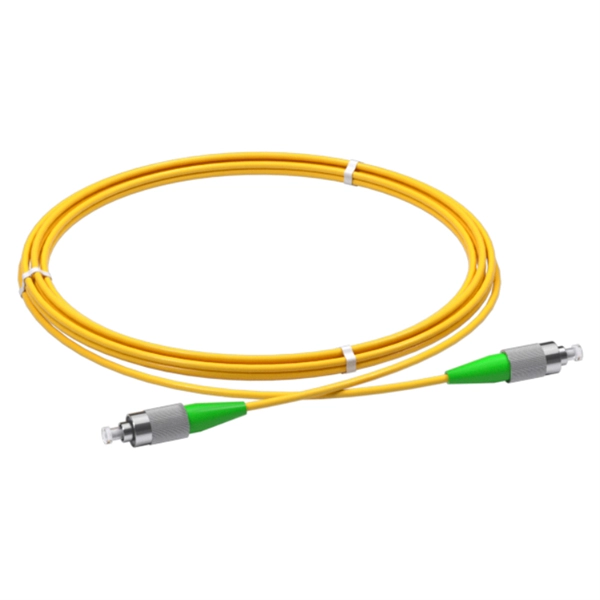
In this article, ETU-LINK will deeply analyze the differences between different 10G SFP+ dual-fiber optical modules from multiple dimensions such as technical parameters, transmission distance, optical fiber type, typical applications, etc., and guide you to make the optimal choice in different. These powerful transceivers are the workhorses that convert electrical signals into light, beaming 10 Gigabits per second of data over fiber optic cables for distances of up to 10 kilometers and beyond. This guide will demystify these critical components, explore their key advantages, and show you. OSFP-XD MSA Rev 1. and a disclaimer is added to the Other Documents section. Single-fiber bidirectional (BIDI) optical modules must be used in pairs.
[PDF Version]
The Evolution of Optical Modules: Powering the Future This article takes a deep dive into the world of optical modules, exploring their evolution from 400G.
[PDF Version]
Optical Transceiver Pricing: Cost Ranges by Speed and See practical price ranges for 1G–100G optical transceivers, DAC/AOC options, and why cost varies by.
[PDF Version]
Single, dual and multi light-pipe versions are available along with air- and liquid-cooling designs (heat sinks and cold plates), reducing engineering challenges by offering flexible options to support a large variety of applications. The OSFP (Octal Small Form Factor Pluggable) has become one of the most widely adopted pluggable form factors for 800G optical modules in high-performance computing (HPC), artificial intelligence (AI) clusters, and data center switches. With its high thermal dissipation capability and flexible. As pluggable modules scale to 400G and beyond, thermal management becomes a primary reliability constraint. 6T. OSFP-IHS is the standard and most widely deployed OSFP thermal solution. These input/output (I/O) solutions support aggregate data rates up to 1. 6Tbps, helping data centers meet AI-driven capacity demands with minimal. Cofan's air-cooled OSFP thermal modules are engineered to meet the growing thermal demands of next-generation AI servers and high-speed telecommunications infrastructure.
[PDF Version]
A practical, engineering-focused guide to planning and installing underground fiber optic cables with the right cable structure, trench design and protection level for long-life, low-risk networks. Match trench method with the correct underground fiber structure (GYTS, GYTA53, GYTY53, micro-duct). The methods described are intended for guideline use only, as it is impossible to cover all the various conditions that may arise during an installation. Individual. ion) and “ Installed” (after installation). But because the cable sits in soil exposed to. Recommendation ITU-T L. First, in order to demonstrate sufficient performance of an. Physical Damage: From digging, agriculture, ground freezing, and surface activities. Accidental Breaks: Caused by construction or landscaping work.
[PDF Version]
OPGW cables combine the functions of grounding and communication, with a optical fibers in the middle of the conductive cable. OPGW cables are installed on transmission and distribution power lines, above the high-voltage power conductors since acts as the protection from lightning. Splicing OPGW (Optical Ground Wire) cables requires following several precise steps—establishing site safety, preparing the cable, accessing the fibers, performing the splice with a fusion splicer, sealing the splice with a heat shrink sleeve, and finally installing the splice in a closure. Careful. Companies involved in electric power distribution use various types of optical cables for communication, monitoring, and control. OPGW. This paper, OPGW Grounding Techniques for Safe Fiber Splicing, outlines critical safety protocols and procedures for preparing Optical Ground Wire (OPGW) splicing on high-voltage transmission lines. Optical fibers as a medium have many great features, but handling fiber-optic cables requires trained and experienced staff.
[PDF Version]Share the route, interfaces, cable or port requirements and acceptance scope.