
Distribution Boards Components
Search optical fiber, connectivity, cable management and network infrastructure references.
-
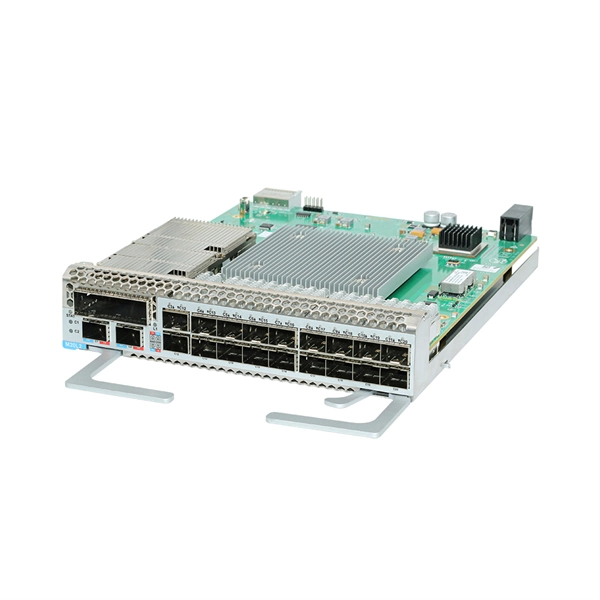
Distribution Box Control Power Supply Components
Distribution boxes vary in shape and structure due to different usage scenarios and requirements, but the basic components include fuses, circuit breakers, SPDs, switches, bypass devices, various insulating materials, wires, bus bars, and other components. These components work together to prevent electrical faults, such as short circuits or overloads, from causing damage to the electrical system. A distribution box comprises Engineering Thermoplastics such as Polycarbonate (PC), Acrylonitrile Styrene Acrylate (ASA), or epoxy-coated or powder-coated. For procurement professionals, electrical contractors, and project managers, choosing the right Distribution Box (DB Box) is a critical decision that directly impacts system safety, reliability, and long-term operating costs. Distribution Box: Handles main supply voltage (220V–690V) with current ranging from tens to hundreds of amps.
[PDF Version]
-
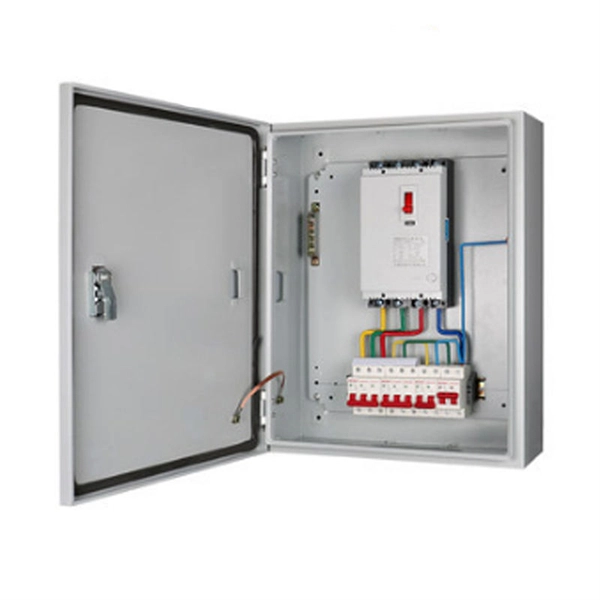
Electrical components of the main power distribution box at the construction site
The main distribution accommodates meters, residual current devices (RCD), and miniature circuit breakers (MCB). Sub-distributions reduce cable lengths to workplaces – such as areas for concrete demolition, building gutting, tunnel heading, or natural stone extraction – and. The construction site power connection is the temporary, compliant connection of the construction power supply to the public power grid. This includes a connection point (for example via a site connection box), the main distribution with protection and metering devices, sub-distributions, cables. A construction site distribution board is a specialized type of panel used to manage and distribute electrical power on temporary job sites. A site power distribution board is usually an electrical distribution box equipped with various sockets to provide power for. What are the functions and uses of DB Boxes? What is a Distribution Box? A distribution box, or DB box, is a circuit breaker enclosure. It is a vital part and central hub of any electrical system.
[PDF Version]
-
What are the components of a smart power distribution cabinet in a factory
Power distribution cabinet is usually composed of cabinet, bus system, circuit breaker, switch, fuse, indicator light, instrument, transformer and various protection and control components. A power distribution panel is the central hub that receives electrical power from the utility or main source and distributes it safely throughout your facility. At the heart of these intelligent systems lies the industrial control panel —a critical infrastructure that coordinates power distribution, automation logic. Simply put, a distribution cabinet is an enclosure that contains circuit breakers, relays, busbars, and monitoring devices. These systems feature modular construction allowing for.
-
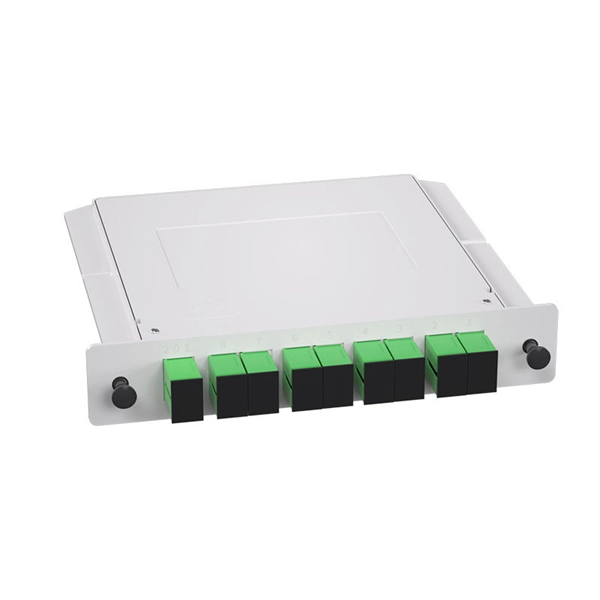
Methods for Identifying Electrical Components in Distribution Boxes
Number of outgoing circuits: current circuits plus spare ways for future expansion. Protective-device strategy: MCB, RCCB, RCBO, fuse, SPD, AFDD, isolator, or main breaker. Rated current and short-circuit capacity: based on actual load and available fault current. The. For procurement professionals, electrical contractors, and project managers, choosing the right Distribution Box (DB Box) is a critical decision that directly impacts system safety, reliability, and long-term operating costs. This ultimate guide explains what a distribution box does, its internal. Distribution boards, often referred to as electrical panels or breaker boxes, serve as the nerve center of any electrical system. These essential components play a pivotal role in managing and distributing electrical power within a building or facility.
[PDF Version]
-

Indoor distribution box connection wires
These are usually connected to thick black or red wires, each carrying 120V in a split-phase system. Verify voltage with a multimeter: each line wire should show ~120V to neutral and ~240V across both hot wires. Load terminals, positioned below the line lugs, distribute. In this guide, we'll break down everything you need to know to install a distribution box correctly and confidently. Choose the right box based on environment (indoor/outdoor), load capacity, and durability. Check for proper IP/NEMA ratings and material quality. This guide covers diagram types, component placement, grounding, IP ratings, and testing—backed by IEC/ISO references and practical design rules to. A distribution board or distribution box is where the main power supply is distributed to multiple loads. more Welcome to our channel! In this video. This is the first and crucial connection—attach the incoming live wire (typically marked with brown or red insulation) to the main terminal in the distribution box.
[PDF Version]
-
Height of Distribution Box for First-Level Construction Engineer
7 meters) high makes it easily accessible without the need to bend or stretch excessively. Adhering to these guidelines during the installation of a distribution box ensures. Integrating Site Conditions with Design Requirements to Standardize Installation Height. 5m, and for distribution boards, it should not be less than 1. However, this height can be adjusted. According to the "Code for Acceptance of Construction Quality of Building Electrical Engineering" GB50303-2002, the vertical distance between the bottom surface of the fixed stainless steel enclosure ip67 and the ground should be greater than 1. 4m away from the ground; when surface installed in the wall, the bottom is 1. ALL DIMENSIONS SHALL BE COORDINATED WITH ARCHITECTURAL DETAILS AND MAY BE ADJUSTED TO CONFORM WITH ARCHITECTURAL REQUIREMENTS AS LONG AS NO CODE RESTRICTION IS VIOLATED. OUTLETS INSTALLED LOWER THAN 15" AFF (FORWARD REACH) AND 9" AFF (SIDE REACH) ARE IN VIOLATION OF ADA.
[PDF Version]
More communications references
- What color is fireproof cable tray
- Types of Industrial Explosion-Proof Distribution Boxes
- Quick Cable Tie Fixer for Grid Cable Trays
- Application Scenarios of ADSS Optical Cable
- Saudi Arabia RoHS QS FP-DD Optical Module 800G
- Selection Criteria for Cable Tray and Pipe Supports
- IR optical module transmission and reception abnormality
- Tunable Optical Module Anti-Static
- Installation of 90-degree bends in cable trays
- What is the angle of a horizontal cable tray bend
- Wiring of outdoor distribution box sockets
- What s inside a road distribution box
- Why do optical cables shrink