
Distributed Sensing Cables For Das And Dts
Search optical fiber, connectivity, cable management and network infrastructure references.
-
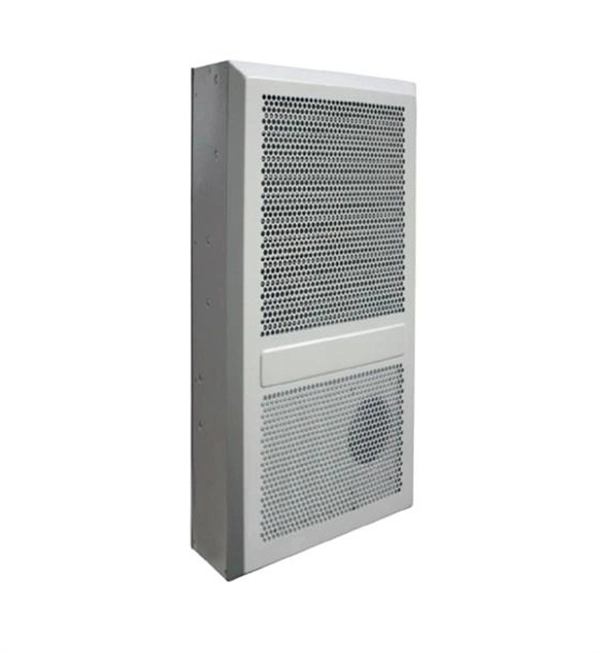
Distributed Fiber Optic Sensing Cables
Our distributed sensing cables provide optimized monitoring of your critical harsh environment infrastructure. As a result, external stimuli on the cable, such as changes in. Distributed Optical Fiber Sensing (DFOS) transforms standard fiber optic cables into powerful sensors capable of detecting temperature, strain, and acoustic signals at thousands of measurement points over long distances. By analysing the interaction of light with the glass structure of the optical fiber, any existing optical fibre in an optical network infrastructure can. Distributed fiber optic sensing turns standard optical fibers into thousands of sensors for real-time environmental awareness, infrastructure monitoring and intelligent network optimization — effectively creating an early-warning system that enables operators to prevent failures and improve network. Distributed Fiber Optic Sensing (DFOS) systems provide critical asset monitoring by utilizing standard fiber optic cables as sensors.
[PDF Version]
-
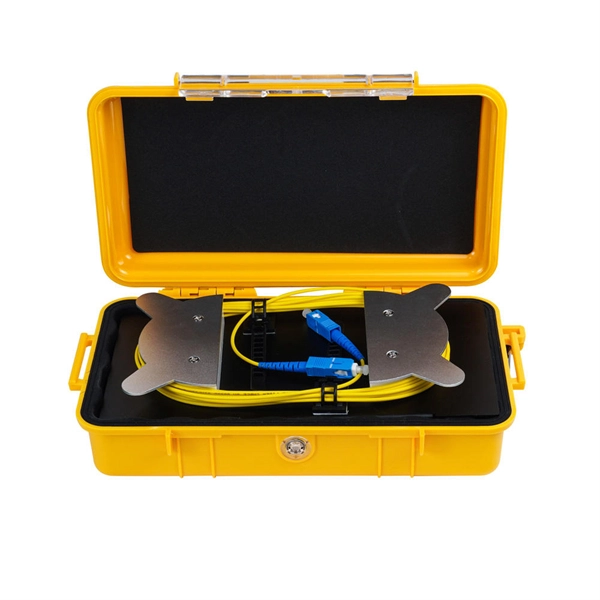
Distributed Fiber Optic Sensing Devices
Distributed Fiber Optic Sensing (DFOS) Distributed Optical Fiber Sensing (DFOS) transforms standard fiber optic cables into powerful sensors capable of det.
[PDF Version]
-
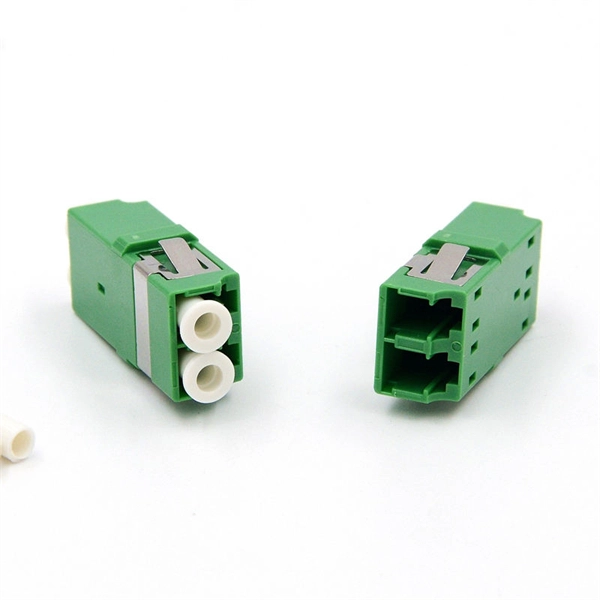
Is the cable tray for carrying electrical wires or cables
In the of buildings, a cable tray system is used to support insulated used for power distribution, control, and communication. Cable trays are used as an alternative to open wiring or systems, and are commonly used for cable management in commercial and industrial construction. They are especially useful in situations where changes to a wiring system are anticipated,.
-
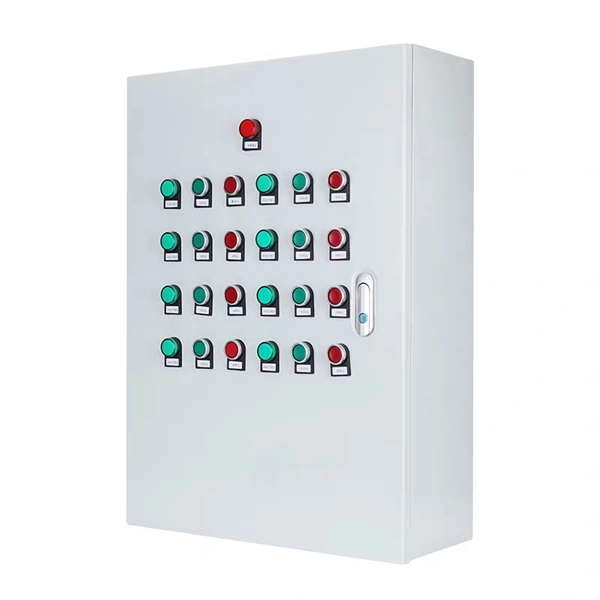
Network patch panel cables
A patch cable is a short Ethernet cable. Twisted-pair cables are used to make patch cables. Patch panels are a great way to improve your network management by making it simple to organize your cables and connections. Its primary purpose is to facilitate the transmission of data between networked devices, such as computers, printers, routers, and switches. These cables are indispensable in. AMPCOM patch panels offer high-density copper & fiber termination for data centers, offices, and AV systems. Modular design, shielded ports, and easy installation for reliable signal routing. Stripped outer jacket of the Cat6 cable.
-
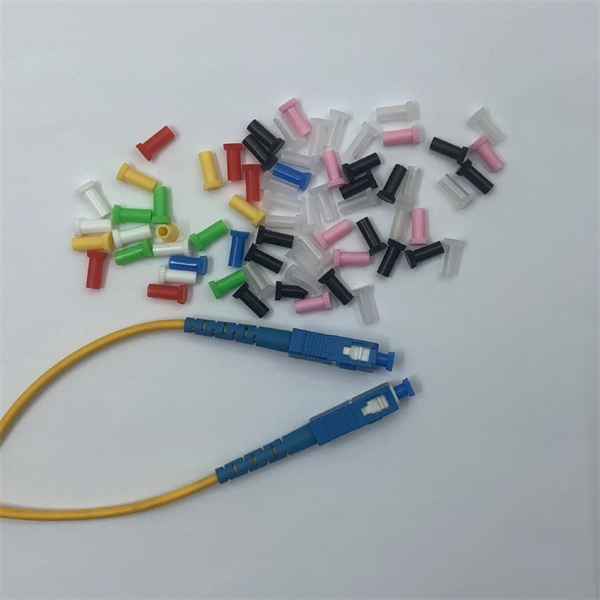
Direct Burial of Optical Cables in Communication Engineering
A practical, engineering-focused guide to planning and installing underground fiber optic cables with the right cable structure, trench design and protection level for long-life, low-risk networks. Match trench method with the correct underground fiber structure (GYTS, GYTA53, GYTY53, micro-duct). The methods described are intended for guideline use only, as it is impossible to cover all the various conditions that may arise during an installation. Individual. ion) and “ Installed” (after installation). But because the cable sits in soil exposed to. Recommendation ITU-T L. First, in order to demonstrate sufficient performance of an. Physical Damage: From digging, agriculture, ground freezing, and surface activities. Accidental Breaks: Caused by construction or landscaping work.
[PDF Version]
-
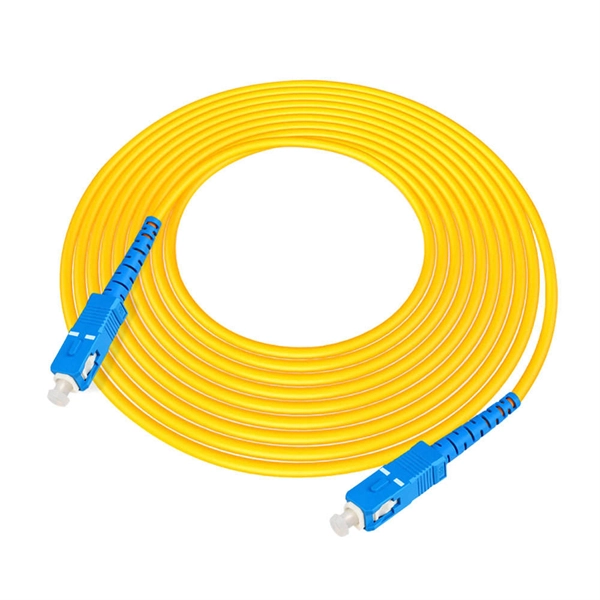
Two communication optical cables are spliced on the high-voltage tower
OPGW cables combine the functions of grounding and communication, with a optical fibers in the middle of the conductive cable. OPGW cables are installed on transmission and distribution power lines, above the high-voltage power conductors since acts as the protection from lightning. Splicing OPGW (Optical Ground Wire) cables requires following several precise steps—establishing site safety, preparing the cable, accessing the fibers, performing the splice with a fusion splicer, sealing the splice with a heat shrink sleeve, and finally installing the splice in a closure. Careful. Companies involved in electric power distribution use various types of optical cables for communication, monitoring, and control. OPGW. This paper, OPGW Grounding Techniques for Safe Fiber Splicing, outlines critical safety protocols and procedures for preparing Optical Ground Wire (OPGW) splicing on high-voltage transmission lines. Optical fibers as a medium have many great features, but handling fiber-optic cables requires trained and experienced staff.
[PDF Version]
More communications references
- Add wiring to the distribution box terminals
- How to make a cable tray based on cables
- Installation price of hot aisle doors in computer room
- Qatar Hollow-Core Optical Fiber
- Swiss Customs Cost Optical Electro-Mechanical Hybrid Cable 200G
- Hot-selling Congo E2000 connector
- How much does it cost to install a fiber optic router in a data center
- Reasons for fiber optic cable repair
- Fiber Optic Switch txrx
- How to get into the fiber optic cable industry
- How to properly open up a bundled pigtail