
Difference Between Web Server And Application Server
Search optical fiber, connectivity, cable management and network infrastructure references.
-
Cold aisle server racks IT
The hot aisle /cold aisle data center layout was originated by IBM in 1992 and it is one of the oldest ways to save energy in the data center. 1 Hot aisle/cold aisle layout involves lining up server racks in alternating rows with cold air intakes – the fronts of servers – facing each. Hot aisle and cold aisle containment are foundational concepts in data center design. When implemented correctly, they improve efficiency, reduce energy consumption, extend equipment life, and enhance overall reliability. Unoccupied height units in the racks should be sealed with tight 19" blanking plates.
-
How to install an AI graphics server system
This guide shows you how to build a cutting-edge AI server with 8x GPUs. From hardware selection to software setup, follow each step to create a high-performance platform for deep learning, data science, and GPU-intensive workloads. This article dives into why a purpose-built EdgeAI machine can outperform traditional cloud solutions and provides a step-by-step guide to building a powerful, dual-GPU system. Why Go Local? When faced with the need for serious GPU power, many people's first thought is to rent it from the cloud. RTX 3090: Two RTX 3090s with NVLink are a common choice for running large AI models. NVLink can provide improved communication between GPUs, though for many AI tasks, traditional. This guide covers hardware selection, OS & drivers installation, AI framework installation, and performance optimization techniques. Graphics Processing Units (GPUs) have become an essential option for machine learning (ML) and artificial intelligence (AI) computing due to their ability to process. Learn how to run AI image generator locally on your own hardware.
[PDF Version]
-
PLC splitter application areas
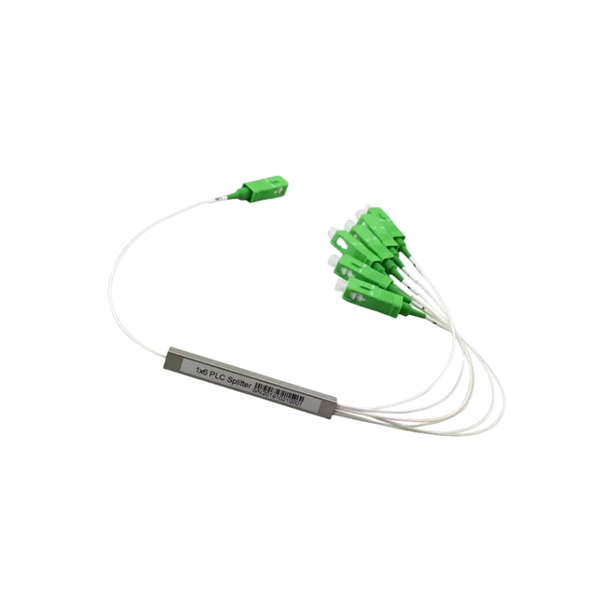
PLC splitters are used anywhere a fiber network needs to be branched efficiently. Common applications include: FTTH (Fiber to the Home) – splitting fiber from a distribution point to serve multiple homes. The first number represents the input port, and the second represents the number of output ports. It is one of the core components in Passive Optical Networks (PON) and is widely used in FTTx deployments, where a single fiber connection. A PLC Splitter (Planar Lightwave Circuit Splitter) is a passive optical device used to divide a single optical signal into multiple outputs with uniform optical power.
-
Cable trays in the middle of the server room
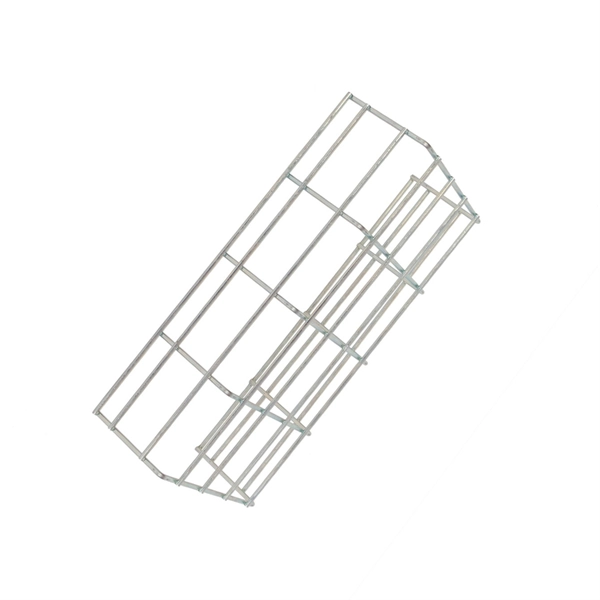
Vertical and horizontal trays, selected according to the server room layout, keep cables off the floor and easy to access. Racks with built-in cable management features minimize clutter and enhance airflow. Shop products from small business brands sold in Amazon's store. According to the ITIC 2024 Hourly Cost of Downtime Report, a single hour of unplanned outage could cost over CAD 300,000 for more than 90% of mid-size and large enterprises. Vertical cable. Why a cable tray in the data center? A cable routing system is a collection of ducts, fittings, and mounting brackets that are assembled to protect fiber optic cables and high-performance copper cables from physical damage that can interfere with or interrupt signal transmission.
[PDF Version]
-
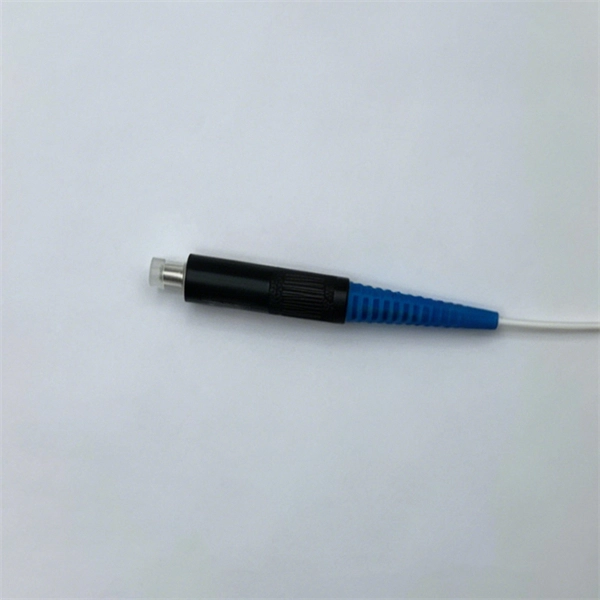
Application of Hybrid Optical and Fiber Cables in Engineering
109 describes cable construction and provides guidance for the use of optical/metallic hybrid cables, which contains both optical fibres and metallic wires for telecommunication and/or power feeding. Technical requirements may differ according to the. Recommendation ITU-T L. Copper power conductors, usually low-voltage DC to supply the kind of device used in remote radios or IP cameras.
-
European server rack cold aisle
In a cold aisle containment setup, cold air is contained within the aisle where the fronts of the server racks face each other, ensuring that only cool air is delivered directly to the equipment. This prevents the mixing of cold air with hot exhaust air, improving cooling. Cold Aisle Containment or CAC is a proven, relatively easy to deploy solution for effectively managing airflow within a data centre. You will get a total solution adapted to your business, whether you require server racks or aisle containment. We have long experience of both large and small installations throughout Scandinavia and Europe. Cold air is delivered into this aisle through: Servers pull this cold air into their front. To reduce energy costs and noise in the data center, you must isolate the hot and cold airflow through each rack and the entire room. Austin Hughes's latest innovation in Cold Aisle Containment has focused on total air isolation which not only reduce energy cost but also optimize power. Freestanding, Rack-independent system with the flexibility to maximize efficiency and capacity from the core to the edge for raised floor and slab data centers.
[PDF Version]
More communications references
- What router is best to connect to invisible fiber optic cables
- Dimensions and Specifications of Dedicated Distribution Box Sockets
- Teaching about large distribution boxes
- What is a CLG optical module
- Fcoe optical module
- Power Modulated Fiber Bragg Grating
- What fiber optic cable has low attenuation
- RAC uses a fiber optic switch
- Testing the step-down starting resistor of the distribution box
- Electrical conduit leading to the distribution box
- Price of fiber optic cable under pole