
Composite Fiber Optic Overhead Ground Wire Cable
Search optical fiber, connectivity, cable management and network infrastructure references.
-
Reasons for replacing ground wire with fiber optic cable
OPGW offers a dual-functionality advantage as it acts both as a grounding medium and a high-speed data transmission path. This integration enhances communication capabilities, structural integrity, and cost efficiency, making it superior to traditional ground wires. Installed primarily on overhead power lines, OPGW cables provide reliable. Optical Ground Wire (OPGW) fiber cables are transforming the way power utilities and telecom providers enhance their infrastructure. Structural Innovation and Design Modern OPGW design centers on protecting.
-
Fabrication of Composite Ground Wire Overhead Optical Cable
An optical ground wire (also known as an OPGW or, in the IEEE standard, an optical fiber composite ) is a type of cable that is used in. Such cable combines the functions of and. An OPGW cable contains a tubular structure with one or more in it, surrounded by layers of and. The OPGW cable is run between the tops of high-voltage. The part of the cable serves to bond adjacent tow.
-
How to express fiber optic cable dragging on the ground
A “figure-eight” configuration should be used when the cable is removed from the reel and piled on the ground. This prevents kinking and twisting of the cable which could cause damage. Fiber optic cable should not be coiled in a continuous direction except for lengths of. Fiber optic cable transmits data as light through glass or plastic strands, which means the fiber core itself carries no electrical current and requires no grounding. However, this does not mean every fiber optic installation is exempt from grounding requirements. The first submarine communications cables were laid beginning in the 1850s and carried telegraphy traffic, establishing the first instant. This Applications Engineering Note (AE Note) discusses conventional bonding and grounding practices for conductive fiber optic cable and hardware installations within the scope of the National Electrical Code (NEC). The methods described are intended for guideline use only, as it is impossible to cover all the various conditions that may arise during an installation.
[PDF Version]
-
Maintenance of Overhead Power Fiber Optic Cables
Monthly Maintenance: Randomly inspect fiber optic cable connections, test backbone fiber optic link attenuation, and clean connector end faces. Relevant electrical hazards are also discussed. Through a tiered. Some people have suggested that fiber optic networks need periodic maintenance, including microscopic inspection of connectors and mating adapters and even insertion loss testing or taking OTDR traces. It could hurt an installer or get them sued by an irate network owner. Recommendation ITU-T L. This revision is intended to be appropriate for the current situation with respect to. Guidelines for the installation and maintenance of optical fibre cables on overhead power lines is classified in these ICS categories: 13.
[PDF Version]
-
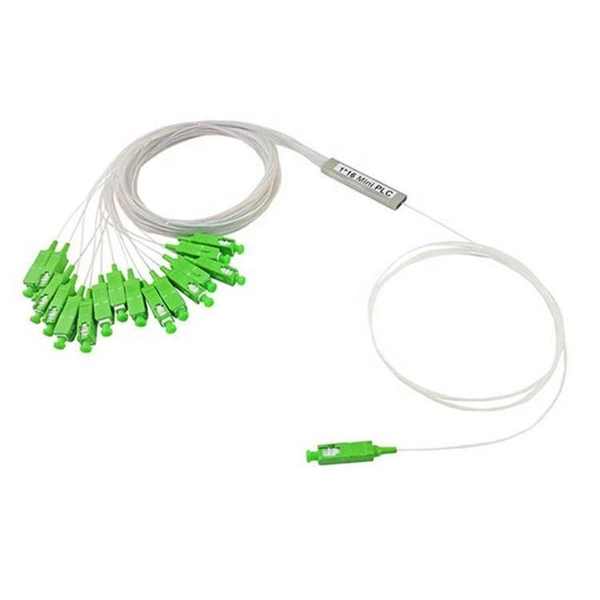
Aerial fiber optic cable guy wire
Messenger wire is guy strand used to provide support to telecommunication lines. It is manufatured in extra high strength steel or stainless steel with a variety of options on coating and strength. Deploying fiber above ground on poles or towers removes the need for underground digging and is particularly useful when the ground is uneven, rocky or both. There are mainly ASTM standards, BS standards, IEC standards and other. en working with sharp instruments or materials. A craftsman can remain in such an area (for. Preformed Guy Grip Wire for ADSS Fiber Cable offers a rated load of 120kn, suitable for spans of 100m to 500m. Weunion quality, casting process, and more. FO-VC2 JOINT USE - VERICAL MIDSPAN CLEARANCES 48. APPENDIX A - COVER SHEET / TOC 52.
[PDF Version]
-
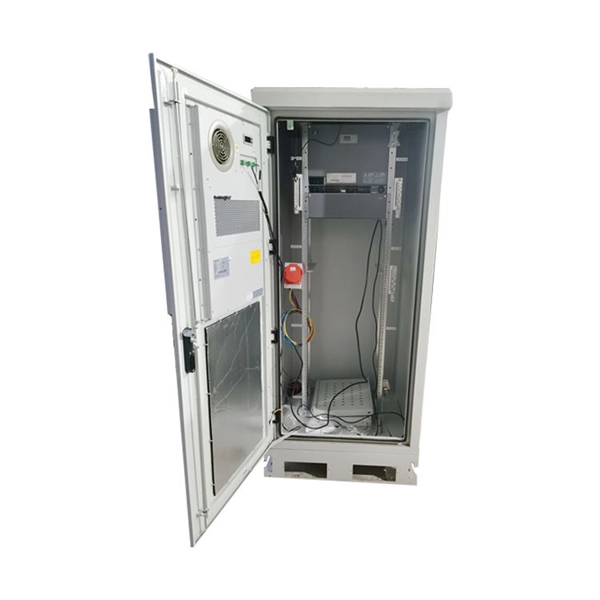
Can fiber optic junction boxes be buried in the ground
What are the Different Types of Fiber Optic Joint Boxes? Above-Ground Joint Boxes: Designed for outdoor installation on poles or towers. For longer distances, fiber-optic cables are typically installed by hanging them between poles (aerial), laying them on the seabed (submarine), or burying them in the ground (underground). 2 meters (3-4 feet) deep to reduce the likelihood of accidentally being dug up. Dome Joint Boxes: Featuring a dome-shaped top for easy access and better. A practical, engineering-focused guide to planning and installing underground fiber optic cables with the right cable structure, trench design and protection level for long-life, low-risk networks. Match trench method with the correct underground fiber structure (GYTS, GYTA53, GYTY53, micro-duct). Cable may be hung on appropriate hangers, laid in trays or pulled in conduit or innerduct.
[PDF Version]
More communications references
- The fiber optic cable sheath makes a lot of friction noise
- Standard thickness of welded cable trays
- Protection Specifications for Main Distribution Box
- Georgia Fiber Optic Cable Upgrade Price
- How to wire a single section of a distribution box
- Synchronous Design Scheme for Optical Cables and Lines
- Fiber optic patch cord SC-ST 30 meters
- Wholesale of fire protection cable trays in the UAE
- How to unpack and open optical cables
- Mauritius Fiber Optic Cable Supply