
Cisco Osfp 800g Transceiver Modules Data Sheet
Search optical fiber, connectivity, cable management and network infrastructure references.
-
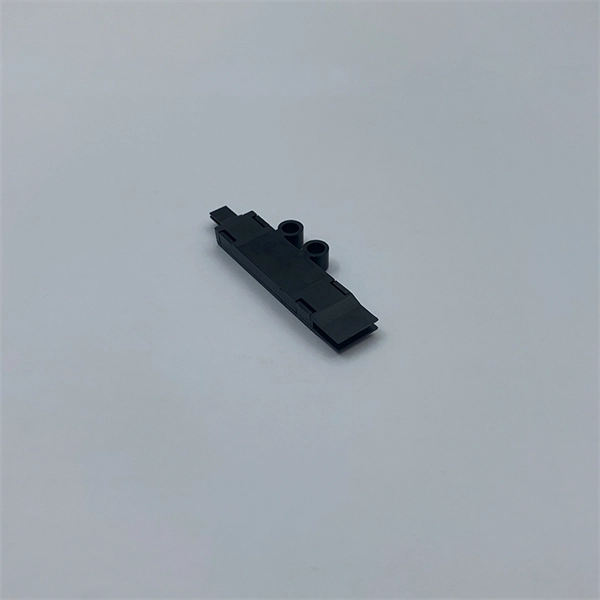
OSFP optical modules air-cooled and liquid-cooled
Single, dual and multi light-pipe versions are available along with air- and liquid-cooling designs (heat sinks and cold plates), reducing engineering challenges by offering flexible options to support a large variety of applications. The OSFP (Octal Small Form Factor Pluggable) has become one of the most widely adopted pluggable form factors for 800G optical modules in high-performance computing (HPC), artificial intelligence (AI) clusters, and data center switches. With its high thermal dissipation capability and flexible. As pluggable modules scale to 400G and beyond, thermal management becomes a primary reliability constraint. 6T. OSFP-IHS is the standard and most widely deployed OSFP thermal solution. These input/output (I/O) solutions support aggregate data rates up to 1. 6Tbps, helping data centers meet AI-driven capacity demands with minimal. Cofan's air-cooled OSFP thermal modules are engineered to meet the growing thermal demands of next-generation AI servers and high-speed telecommunications infrastructure.
[PDF Version]
-
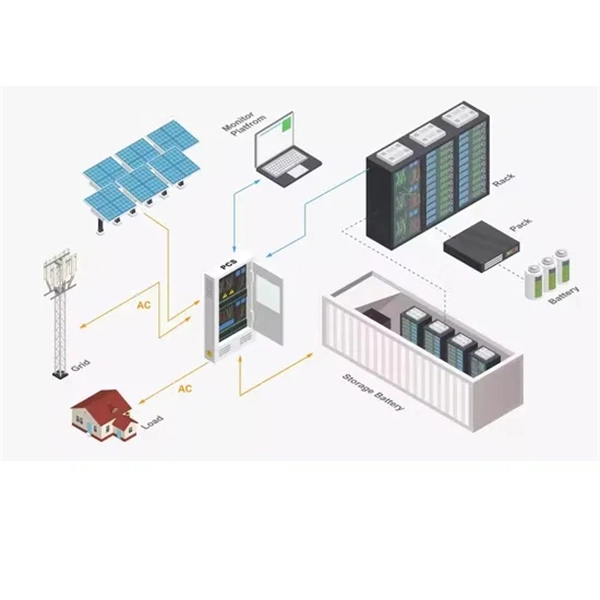
Optical Modules in Data Communication
An optical module is a typically hot-pluggable optical transceiver used in high-bandwidth data communications applications. Optical modules typically have an electrical interface on the side that connects to the inside of the system and an optical interface on the side that connects to the outside world through a fiber optic cable. The form factor and electrical interface are often specified by an interested group using a (MSA). Optical modules can either plug into a front pa.
-
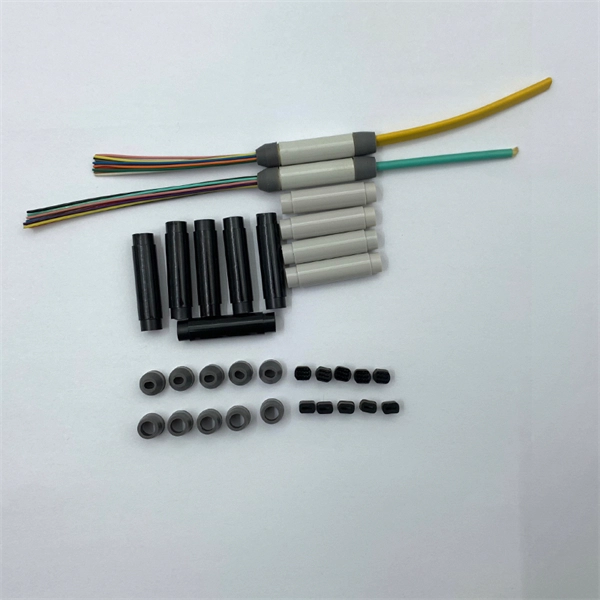
Low-loss operation and maintenance of Uganda optical transceiver modules
The best way to keep your SFP modules functioning well is to have regular SFP maintenance that ensures they remain clean and in a good environment. Fiber optic connectors are. In a world of optical access networks, where data speeds soar and connectivity reigns supreme, the thermal management of optical transceivers is a crucial factor that is sometimes under-discussed. The key challenges were: Maintaining a high Coefficient of Performance (COP) to limit heat rejection requirements from thermoelectric coolers onto natural convective heat sink. As. As a practical baseline, short-reach modules in clean, cooled data centers usually give you five to seven years of solid service; the most conservative shops plan for three to five years for edge racks, wiring closets, and any place where temperature and handling are outside ideal ranges.
[PDF Version]
-
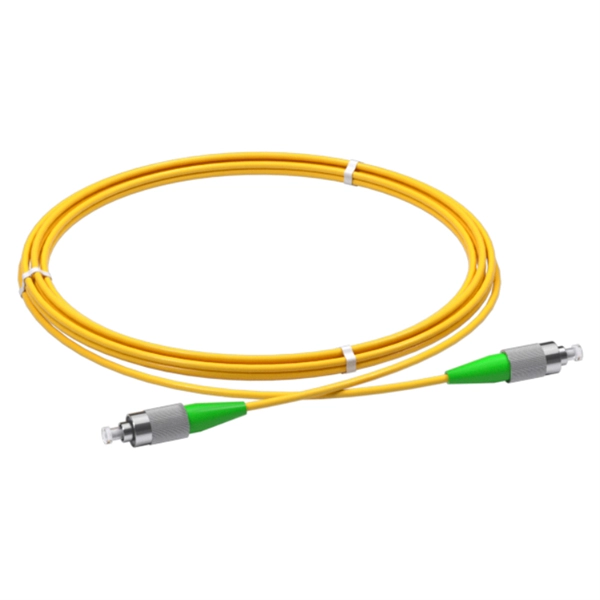
Selection Guide for 10G OSFP Optical Modules for Railway Communication
In this article, ETU-LINK will deeply analyze the differences between different 10G SFP+ dual-fiber optical modules from multiple dimensions such as technical parameters, transmission distance, optical fiber type, typical applications, etc., and guide you to make the optimal choice in different. These powerful transceivers are the workhorses that convert electrical signals into light, beaming 10 Gigabits per second of data over fiber optic cables for distances of up to 10 kilometers and beyond. This guide will demystify these critical components, explore their key advantages, and show you. OSFP-XD MSA Rev 1. and a disclaimer is added to the Other Documents section. Single-fiber bidirectional (BIDI) optical modules must be used in pairs.
[PDF Version]
-
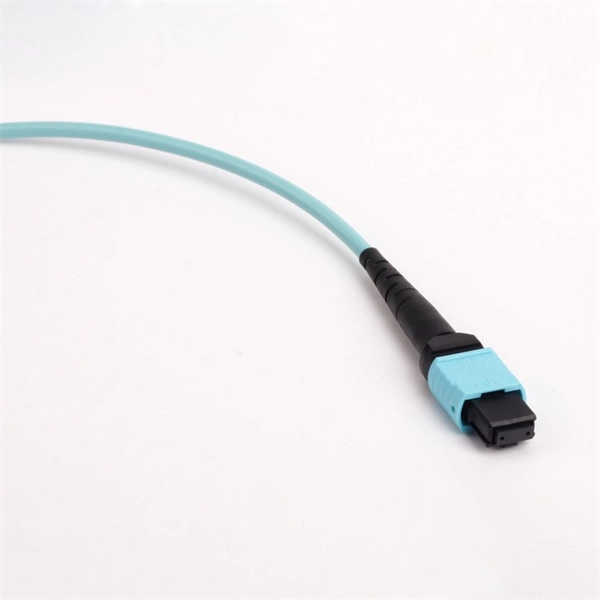
Selling optical transceiver modules
Shop high-speed optical transceivers from Unitekfiber. We offer 100% compatible 40G, 100G, and 400G QSFP-DD modules for data centers. Expert technical support & wholesale pricing.
-
Development of Data Communication Optical Modules
The Evolution of Optical Modules: Powering the Future This article takes a deep dive into the world of optical modules, exploring their evolution from 400G.
[PDF Version]
-
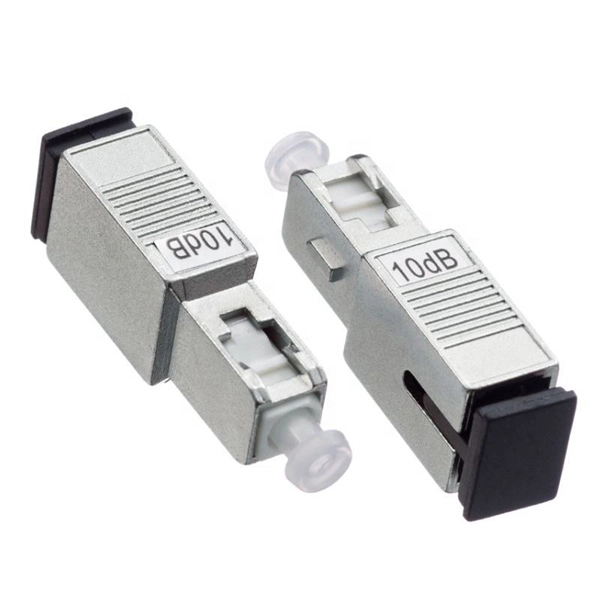
Spot OSFP optical modules SFP
Compact, hot-pluggable modules with advanced diagnostics and connector options (LC, MPO, MPO-16). Yet many engineers and IT buyers encounter model names like SFP, SFP+, QSFP28, QSFP-DD, QSFP112, and OSFP without immediately knowing what makes them different. The good news is that these naming conventions become much easier to understand once you learn one simple concept. Bandwidth is achieved. Optical modules—often called transceivers—serve as the physical bridge between electrical equipment and optical fiber. They convert electrical signals from routers, switches, or OLT devices into optical signals that travel through fiber networks. Distinguishing Features of Various. An engineer-focused, “just tell me what to choose” guide to transceiver selection with architecture, power budget, compatibility, and upgrade plan — designed for 25G/100G today and 400G/800G tomorrow. Each transceiver undergoes rigorous testing and comes. QSFP+, often known as QSFP, is an abbreviation for quad (4-channel) SFP+. Simply put, it supports 4x10G or 4x14G SFP+ data rates to enable increased bandwidth capabilities.
[PDF Version]
More communications references
- Fiber optic terminal box connection pigtail
- Selection Guide for 10G Coherent Optical Modules for Wind Power Generation
- Data Center Energy Construction
- Install protective plates on distribution boxes
- Mobile Subscriber Access Switch
- The first three years of centralized procurement of mobile butterfly-shaped optical cables
- Sierra Leone Fiber Optic Junction Box Company
- Fiber optic cable duct cannot be pulled
- Essential Fixtures for Fiber Optic Communication