
Assessing Your Optical Link Budget Smartoptics
Search optical fiber, connectivity, cable management and network infrastructure references.
-
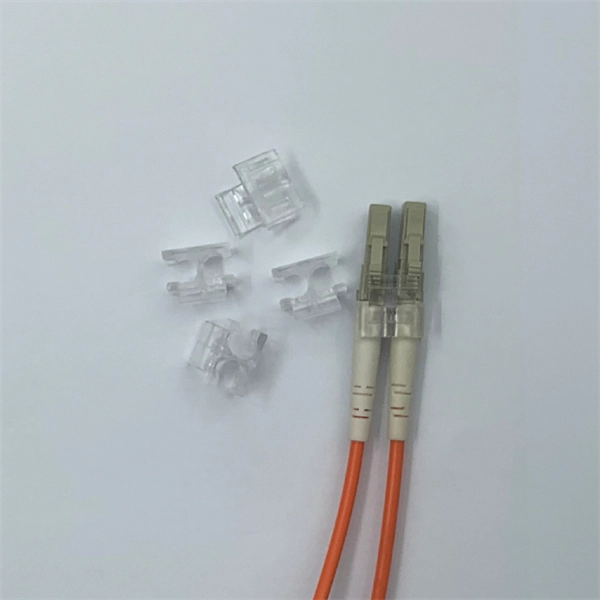
Latest Budget for One Kilometer of Optical Cable Line
Total Estimated Manufacturing Cost Per Kilometer: $35 to $80. Factors Affecting Profit Margins Product Differentiation: High-performance cables, custom solutions, or added features (like water-blocking or enhanced strength) allow for higher margins. The upfront capital expenditure (CAPEX) in establishing a fiber optic cable manufacturing unit typically covers: Land Purchase or Lease: The cost of land depends on the location, size, and industrial zoning. Urban areas or tech parks can be expensive, while rural or industrial zones are more. Buyers typically see a wide range for fibre optic trenching and installation per kilometer, driven by terrain, permitting, and trenching methods. The price experience varies with splice work, cable type, and right-of-way costs. Single-mode fiber costs less per foot than multimode fiber, but it requires more.
[PDF Version]
-
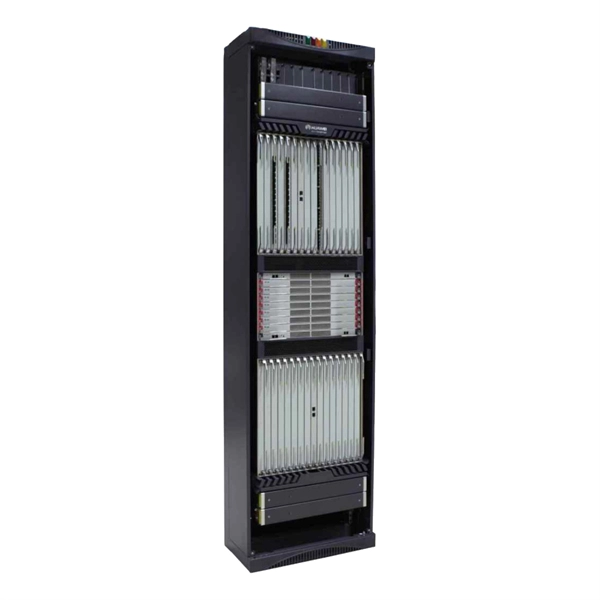
Communication Budget Optical Cable Material Loss
Loss budget analysis involves evaluating the anticipated loss performance of a fiber optic cabling setup. This article aims to provide you with a comprehensive introduction to the fundamental concepts, criteria, variables essential for conducting your own loss budget analysis and. Power Budgets And Loss Budgets The terms "power budget" and "loss budget" are often confused. It's the difference between transmitted power and minimum receiver sensitivity. After entering your values, please ensure you click the 'Calculate Link Loss' button at the bottom of the page to generate your total link loss. This step is necessary to see if your system falls within. A loss budget is essentially a predefined limit on the total allowable signal loss within a given system or network. In this article, we will delve into the concept of loss.
[PDF Version]
-
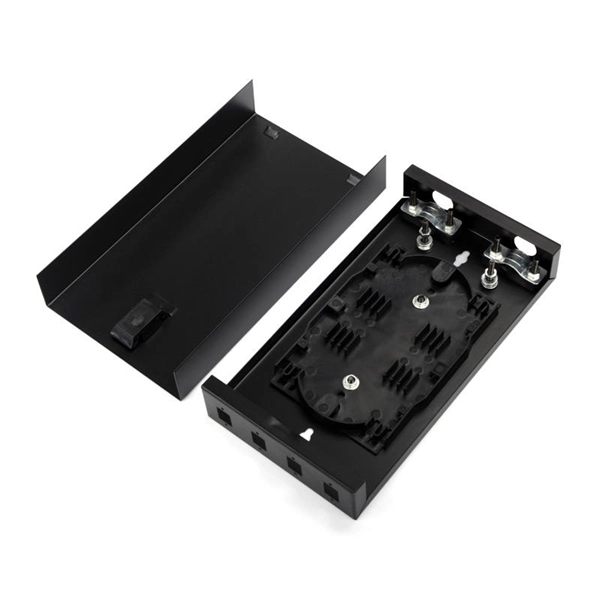
Optical module optical loss budget
The optical link budget in SFP modules refers to the total amount of optical power loss (measured in dB) that a fiber optic link can tolerate while still maintaining reliable communication between the transmitter and receiver. It ensures that the received signal is strong enough for the equipment to process data without errors. The same inputs also estimate optical power budget, received dBm, receiver overload risk, and maximum supported reach. Sometimes the power budget has both a minimum and maximum value, which means it needs at least a minimum value of loss so that it does not. A comprehensive guide to calculating SFP optical power budget.
-
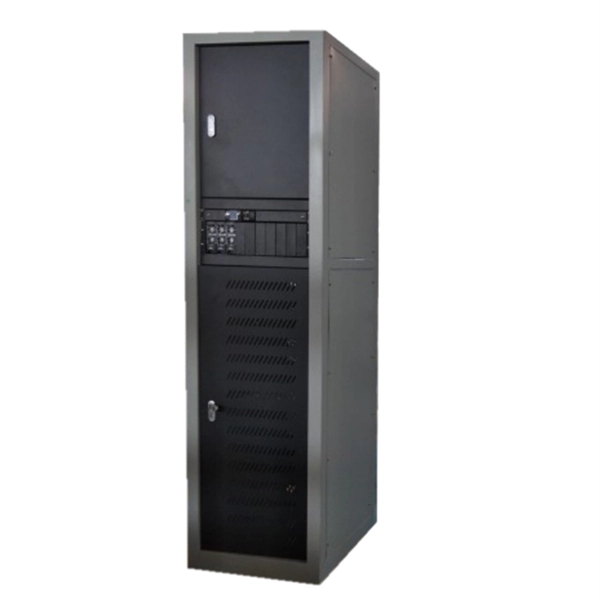
Budget for Direct-Buried Optical Cables
Pricing Table for Direct-Buried Optical Cable ConstructionDirect buried fibre optic cable is a kind of optical cable which is armoured with steel tape or s.
[PDF Version]
-

The optical cable comes out of the splice box
The splice box functions as a connection point between the fiber optic installation cable and pigtails. The splice cassette is removable and stackable and can be assembled without. As a result, there will be communication optical cables left between each optical cable terminal, which are then connected by a square black device known as an optical cable splice box. The main components of a splice box are the splice cassette that picks up the fibers and. Splice boxes, also known as fiber optic splice enclosures or fiber splice closures, are essential components in fiber optic networks. Tie a nylon cable tie on the optical cable and cut off the. Fiber Optic Cable is a form of modern network cable that has a far greater capacity than electrical communication connections. optical fibers are made comprised of exceedingly tiny strands of glass or plastic and these cables transfer information between two sites using completely optical.
[PDF Version]
-
The optical module has optical signal compensation
The dispersion of a transmission fiber is typically compensated with a dispersion compensation module (DCM). Such modules may contain a long coil of a special dispersion-compensating fiber or a compact device like a chirped fiber Bragg grating. In the era of 5G, AI, and high-speed data centers, optical modules serve as the core bridge for converting electrical signals to optical signals (and vice versa), enabling fast, reliable data transmission across networks. Optical modules typically have an electrical interface on the side that connects to the inside of the system and an optical interface on the side that connects to the outside. Optical modules are devices used to connect network devices, transmit and receive data between network devices, and can be used to convert optical and electrical signals. This article will introduce you to the.
[PDF Version]
More communications references
- Cost Quotation for Canadian Distribution Boxes
- Telecommunications-specific fiber optic splitter
- What is the standard value for module optical power
- Specifications of Dual Power Switching Distribution Box
- How to start wiring the equipment control cabinet
- What is the normal optical attenuation level for outdoor optical cables
- Serial Communication with HyperTerminal Box
- Does the secondary distribution box need to be connected via a jumper
- Control Cabinet Wiring Color Classification
- Can fiber optic cables be cold-spliced
- How to drill holes in the bottom of galvanized cable trays
- DIY Electrical Distribution Box Design