
A Bit Error Rate Optimization Method For Wsn Node Energy
Search optical fiber, connectivity, cable management and network infrastructure references.
-
High-precision bit error rate handheld repair and maintenance
Bit Error Rate (BER) is a measure of telecommunication signal integrity based on the quantity or percentage of transmitted bits that are received incorrectly. Essentially, the more incorrect bits, the greater th.
-
What should the bit error rate be below
In digital transmission, the number of bit errors is the number of received bits of a data stream over a communication channel that have been altered due to noise, interference, distortion or bit synchronization errors. The bit error rate (BER) is the number of bit errors per unit time. The bit error ratio (also BER) is the number of bit errors divided by the total number of transferred bits during a studied tim. ExampleAs an example, assume this transmitted bit sequence: 1 1 0 0 0 1 0 1 1 and the following. The packet error ratio (PER) is the number of incorrectly received divided by the total number of received packets. A packet is declared incorrect if at least one bit is erroneous. The expectation value of the PER is. In a communication system, the receiver side BER may be affected by transmission channel,,, problems,, wireless , etc. The BER m.
[PDF Version]
-
Selection of BRT Bit Error Rate Tester for Vehicle-Mounted Fiber Optic Systems
Several BERT test for Ethernet and service activation methods have been developed, each with inherent advantages and limitations. While some test processes are well suited for specific application.
-
Bit Error Rate Attenuation Dead Zone 5mOEM
In, the number of bit errors is the number of received of a over a that have been altered due to,, or errors. The bit error rate (BER) is the number of bit errors per unit time. The bit error ratio (also BER) is the number of bit errors divided by the total number of transferred bits during a studied time interval. Bit er.
[PDF Version]
-
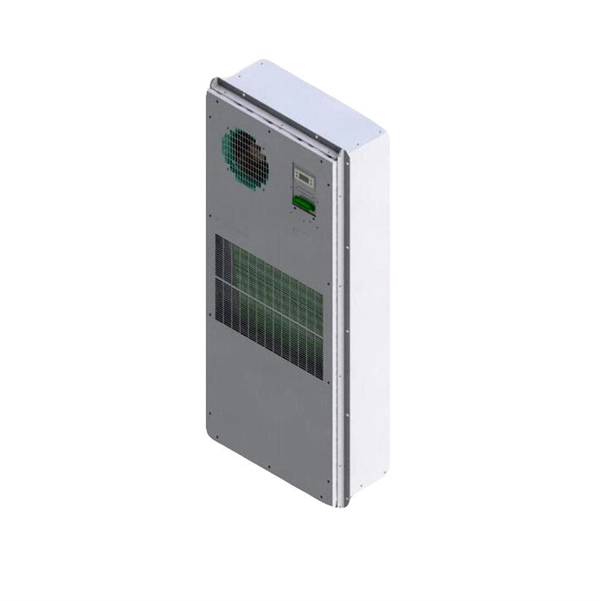
British Bit Error Rate Energy-Saving Solution
In, the number of bit errors is the number of received of a over a that have been altered due to,, or errors. The bit error rate (BER) is the number of bit errors per unit time. The bit error ratio (also BER) is the number of bit errors divided by the total number of transferred bits during a studied time interval. Bit er.
[PDF Version]
-
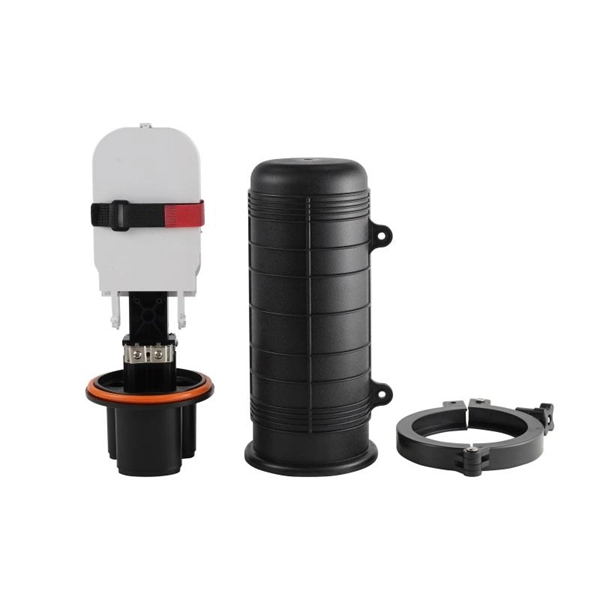
Low Loss Bit Error Meter for Broadcasting and Optical Communication
Bit Error Rate (BER) is a measure of telecommunication signal integrity based on the quantity or percentage of transmitted bits that are received incorrectly. Essentially, the more incorrect bits, the greater th.
-
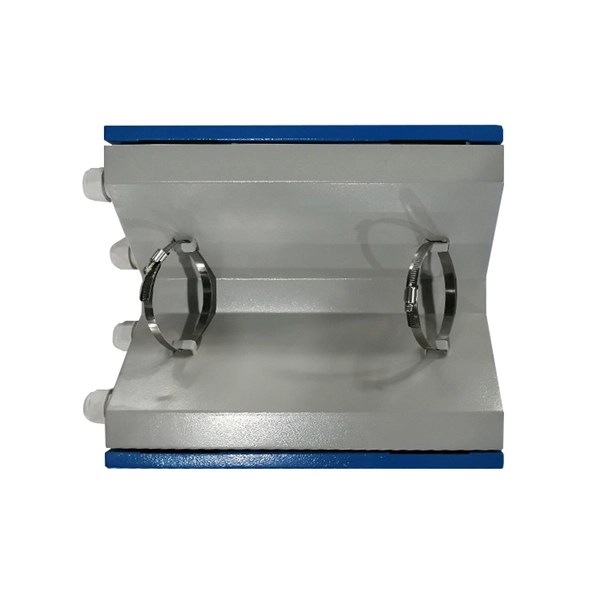
What is the net growth rate of optical fiber cable lines
Fiber Optic Cable Market is estimated to increase at a growth rate of 10. 2% CAGR over the forecast period from 2024 to 2030. 5 billion by 2030, driven by data centers, 5G, and IoT. Glass fibers will dominate with a 57.
-

Method for splicing dual-core optical fiber to pigtails
This process, known as fusion splicing, uses an electric arc to literally weld the two glass fibers together, creating a nearly seamless connection that minimizes signal loss and back reflection. Executive Summary: A fiber optic pigtail is one of the most commonly specified yet least understood components in structured cabling. Instead of building a connector from. The Fiber Optic Pigtail is a foundational component in modern telecommunications, serving as the critical link for terminating fiber optic cables. Unlike a patch cord, which has connectors on both ends, a pigtail features a factory-installed connector on one end and un-terminated fiber on the. After performing a hydrogen loading treatment for the first optical fiber; a thermal expansion core (TEC) treatment is performed for the first optical fiber and the second optical fiber to match the mode-field (MF) of the first optical fiber and the second optical fiber at the fused section between. Fusion splicing is a permanent fiber joining method where two optical fibers are aligned and fused together using controlled thermal energy.
[PDF Version]
More communications references
- Busbar Connector Disassembly and Assembly Method
- Outdoor type of corrugated fiber optic conduit for intelligent computing centers
- How to make a cable tray based on cables
- Fiber Channel Card Design Parameters
- Dimensions of fiber optic corrugated pipes for operator backbone networks
- Fireproof Cable Tray Set Quota Method
- The material for the electrical box guardrail is inexpensive
- Cable tray rack type
- How to connect the fiber optic cable for a color mark sensor
- Rack-mounted power distribution system
- Qatar-Korea Optical Cable
- Setting principles of relay protection devices